The murder of Debbie Timlock in 1989 was solved through unique forensic evidence, including a shoeprint on a tomato and eyeglasses found at the crime scene. The investigation revealed a complex narrative involving her former neighbor, James Brown, leading to his conviction for first-degree murder.
In one of the strangest cases in Canadian history, the murder of Debbie Timlock in 1989 was solved through a combination of unique forensic evidence and investigative tenacity. This blog post delves into the details of the case, highlighting how a squashed tomato and a pair of eyeglasses played pivotal roles in bringing a killer to justice.
On June 19, 1989, a thunderstorm swept through Collingwood, Ontario. Despite the weather, 33-year-old Debbie Timlock, a vibrant single mother, decided to go out for the evening. After spending time with friends at a local restaurant, she left alone, presumably heading home.
At 3:25 AM, Debbie called the police, reporting that she had been attacked. However, by the time officers arrived, it was too late. They found her lifeless body in her apartment, surrounded by a significant amount of blood. The scene was chaotic, with signs of a struggle evident throughout the apartment.
Investigators followed a trail of blood that led them through the apartment, discovering a pair of bloodied metal-frame eyeglasses and a woman's shoe. The kitchen window appeared to have been the point of entry for the assailant, and outside, they found a tomato that had been knocked off the windowsill, which bore a partial footwear impression.
The autopsy revealed that Debbie had been sexually assaulted and stabbed to death, with fatal wounds to her heart and spinal cord. It was determined that she was likely paralyzed from the waist down when she crawled to the phone to call for help, ultimately dying before she could identify her attacker.
As investigators sought to identify Debbie's killer, they explored various leads, including her ex-husband and a former boyfriend, Ron Osbourne, who was in prison at the time of her murder. However, neither had a direct connection to the crime.
The eyeglasses found at the scene were crucial. They were not Debbie's, indicating they belonged to her attacker. Investigators noted that the glasses had been folded, suggesting they had fallen from a pocket as Debbie crawled to the phone.
The tomato, which had been squashed, provided a unique clue. The impression left on it matched a specific herringbone pattern, which investigators believed could be linked to the shoes worn by the suspect.
The investigation led to James Brown, Debbie's former next-door neighbor, who had a criminal record for assaults and thefts. Brown had made advances towards Debbie in the past, raising suspicions. When questioned, he claimed to have been out of town during the murder, but his story was inconsistent.
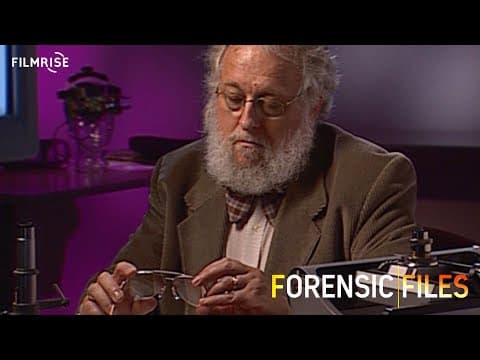
Detectives discovered that Brown wore glasses, and the frames matched those found at the crime scene. Further analysis by Dr. Graham Strong, a professor of optometry, revealed that the glasses had specific measurements that aligned with Brown's known eye distance. This was a significant breakthrough in the case.
In January 1992, James Brown went on trial for the murder of Debbie Timlock. The prosecution relied heavily on the forensic evidence, including the shoeprint on the tomato and the bloodied eyeglasses. After a two-and-a-half-week trial, the jury deliberated for six hours before returning a verdict of first-degree murder.
Brown was sentenced to life in prison without the possibility of parole for 25 years. The case remains one of the most unusual in forensic history, showcasing how seemingly trivial evidence can lead to the resolution of a brutal crime.
The murder of Debbie Timlock is a poignant reminder of the power of forensic science in solving crimes. The combination of a tomato, eyeglasses, and meticulous investigative work ultimately brought justice for Debbie, allowing her story to be told long after her tragic death. This case exemplifies the motto of forensic investigators: "We speak for the dead."