In this comprehensive analysis, we explore the deliberate crash of gold prices amid geopolitical tensions, the strategic repatriation of gold by France and Germany, and the contrasting behaviors of Western and Chinese markets. We uncover how margin hikes on COMEX futures triggered forced selling, benefiting large institutions, and reveal the growing institutional demand for gold in China and globally. This article deciphers the complex gold market dynamics and what investors should watch next.
Recently, gold prices experienced a dramatic crash, wiping out gains from all-time highs just as conflict erupted in the Middle East. This is counterintuitive since gold is traditionally a safe haven asset that appreciates during geopolitical turmoil. This article breaks down who caused the gold crash, how it was engineered, why it happened, and what the future holds for gold investors.
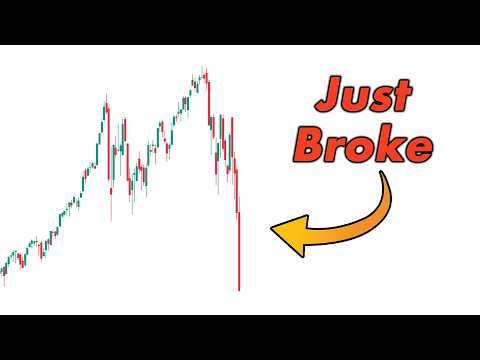
Gold hit an all-time high of around $5,600 in late January but then plunged about 20% by late March, marking the biggest weekly decline since 1983. This crash coincided with the outbreak of war in the Middle East involving the US, Israel, and Iran, and a spike in oil prices above $110 per barrel.
The crash was not accidental but engineered through a series of deliberate actions:
Margin Requirement Changes by CME: The CME, which operates the COMEX exchange where gold futures trade, changed margin calculations from a fixed dollar amount to a percentage of contract value. This meant as gold prices rose, margin costs automatically increased, amplifying the risk of a crash.
Multiple Margin Hikes: Within two weeks, CME raised margin requirements three times, forcing traders to post more collateral.
Forced Selling Cascade: Many traders, especially smaller investors and funds, could not meet the higher margin calls and were forced to sell their gold futures positions. This selling pressure drove prices down further, triggering more margin calls and forced selling—a classic liquidation cascade.
The big winners are large, well-capitalized institutions like JP Morgan, Goldman Sachs, and HSBC. These players can absorb margin hikes easily and buy gold at discounted prices after smaller traders are flushed out. This shakeout of weak hands followed by institutional buying is a well-known Wall Street tactic.
Several countries sold significant gold reserves during this period:
These large sales into the London gold market acted like a wrecking ball, pushing prices down globally.
The US dollar index (DXY) rose about 6% as the war started. A stronger dollar makes gold more expensive for holders of other currencies, reducing international demand. The dollar's strength was supported by:
This created a feedback loop where war increased oil prices, fueling inflation fears, prompting the Federal Reserve to keep interest rates high, strengthening the dollar, and crushing gold prices.
In a significant but underreported move, France withdrew every ounce of its gold stored in the US Federal Reserve—about 129 tons—between July last year and January this year. Instead of bringing the gold physically to France, they sold it in the US and repurchased new gold in Europe to store in Paris.
The Bank of France claimed the gold in New York was "old, non-standard" and easier to replace with new compliant bullion from Europe. However, this explanation is widely seen as implausible since the gold bars were of standard 999.9 purity and size.
A more likely scenario is that the US may have already sold or could not deliver the gold when France requested repatriation, leading to a cash settlement and new purchases in Europe.
Following France’s move, German economists and lawmakers have publicly called for Germany to bring home its gold reserves, about a third of which remain in the US Federal Reserve. A former Bundesbank economist warned that storing gold in the US is risky given current geopolitical tensions.
In the 1960s, demands by countries like France for gold in exchange for dollar reserves led to severe outflows and ultimately the Nixon Shock in 1971, when the US ended the gold standard. The current moves by France and Germany echo this history, signaling potential shifts in the global monetary system.
The COMEX gold futures market largely operates on paper contracts, with only about 5% of contracts resulting in physical gold delivery. This means gold prices are heavily influenced by paper trading rather than actual physical supply and demand.
The leverage ratio of claims to physical gold is about 2.8, indicating a highly leveraged market. Margin hikes disproportionately affect smaller traders who cannot meet increased collateral demands, forcing them to sell and pushing prices down.
Large banks with deep pockets can withstand margin hikes and buy gold at lower prices, perpetuating the cycle.
Despite the paper price crash, physical gold deliveries and withdrawals from COMEX vaults have surged, with registered inventory falling sharply by about 25%. This suggests strong demand for physical gold, indicating that some investors value physical gold more than paper contracts.
UBS analysts recently visited China and found a strong upside bias for gold prices among institutional clients. Chinese gold ETFs have shown resilience and growth in trading volumes, contrasting with outflows in North American ETFs.
China’s financial regulators authorized a pilot program allowing 10 major insurance companies, including PICC and China Life, to invest up to 1% of their assets in gold. This could represent about $27 billion in potential gold investments, with mid-tier insurers leading the charge.
If expanded, this program could significantly increase institutional gold demand in China.
Central banks worldwide have been buying gold at rates unseen in many years, including countries like Poland, Kazakhstan, and Brazil. This trend reflects a desire to diversify away from US dollar holdings amid geopolitical and financial uncertainties.
Watch Actions, Not Words: Monitor what institutions are actually doing with gold rather than their public statements.
Track Paper vs. Physical Markets: Divergences between paper prices and physical gold demand can signal underlying market shifts.
Understand Market Cycles: Gold moves in long-term cycles influenced by geopolitical instability, central bank policies, and currency dynamics.
The recent gold price crash was a deliberate, engineered event benefiting large institutions while shaking out smaller investors. Meanwhile, major central banks and Chinese institutions are increasing their gold holdings, signaling confidence in gold’s long-term value.
Investors should educate themselves on how the gold market operates, including the interplay between paper futures and physical gold, to navigate these complex dynamics effectively.
For those interested in mastering Wall Street’s investment frameworks and understanding market mechanics, a free live training session is available. This training covers stock and metal picking strategies used by professionals for decades.
Join the session to gain insights that can transform your investment decisions for life.
This analysis aims to bridge the knowledge gap between Wall Street insiders and regular investors, providing clarity on the real forces shaping the gold market today.