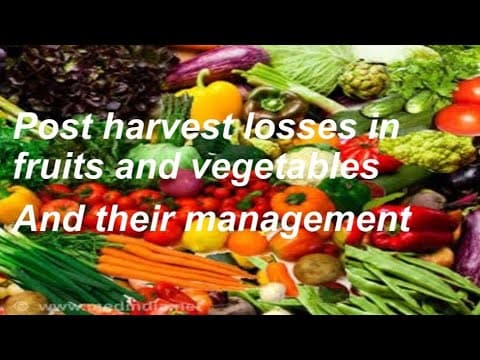
Post-harvest losses in fruits and vegetables are a significant concern in agriculture, impacting both quality and economic value. This article delves into what post-harvest losses are, the different types, their causes, and how they can be managed effectively.
What are Post-Harvest Losses?
Post-harvest losses refer to the deterioration in quality, quantity, nutritional value, and economic value of fruits and vegetables after they have been harvested. These losses can occur at various stages from harvesting to consumption.
Types of Post-Harvest Losses
Post-harvest losses can be categorized into two main types:
1. Quantitative Losses
Quantitative losses involve changes in the weight, size, and shape of the produce. These losses can occur due to:
- Cracking
- Mechanical injuries during handling
- Insect infestations
2. Qualitative Losses
Qualitative losses affect the physiological composition and nutritional value of the produce. Changes may include:
- Deterioration in antioxidant levels
- Alterations in color and appearance
- Changes in taste and texture
Stages of Losses
Losses can occur at various stages of the supply chain:
- Harvesting and Packaging: Improper handling during these stages can lead to significant losses.
- Transportation: Inadequate transport conditions can damage produce.
- Storage: Poor storage practices can accelerate spoilage.
- Distribution and Consumption: If produce is not consumed in a timely manner, it can lead to waste.
Causes of Post-Harvest Losses
Several factors contribute to post-harvest losses in fruits and vegetables:
- Perishable Nature: Many fruits and vegetables are highly perishable and require careful management.
- Metabolic Activities: Changes in respiration rates can lead to spoilage.
- Mechanical Injuries: Damage during cutting or handling can cause losses.
- Developmental Changes: Sprouting or germination in root vegetables can affect quality.
- Pest Infestations: Insect pests and diseases can lead to significant losses.
- Physiological Disorders: Nutrient deficiencies can impact the quality of produce.
- Market Demand: Lack of market demand can result in unsold produce, leading to waste.
Management Strategies to Control Post-Harvest Losses
To minimize post-harvest losses, several management strategies can be implemented:
- Skilled Labor: Employing trained workers for harvesting and handling can reduce damage.
- Proper Harvesting Techniques: Harvesting at the right time and using appropriate techniques is crucial.
- Sorting and Grading: Proper sorting and grading can help in identifying damaged produce early.
- Washing and Waxing: Cleaning and applying wax can enhance shelf life.
- Transportation: Ensuring optimal conditions during transportation is essential.
- Storage: Utilizing proper storage techniques can significantly reduce spoilage.
Post-Harvest Treatments
Implementing post-harvest treatments can help extend the shelf life of fruits and vegetables:
- Pre-cooling: Reducing the temperature of produce immediately after harvest can slow down respiration.
- Proper Cleaning: Thorough washing can remove contaminants.
- High-Temperature Storage: This can help in reducing microbial growth.
- Fruit Coating: Applying coatings can protect against moisture loss and spoilage.
- Vapor Heat Treatment: This method can help in controlling pests and diseases.
- Cold Storage: Maintaining a cold environment can significantly prolong the freshness of produce.
Conclusion
Post-harvest losses in fruits and vegetables pose a significant challenge to the agricultural sector. Understanding the types and causes of these losses, along with implementing effective management strategies and treatments, can help in minimizing waste and enhancing the quality and economic value of produce. By adopting these practices, we can ensure that more fruits and vegetables reach consumers in optimal condition, benefiting both producers and consumers alike.