Agriculture plays a vital role in feeding the global population, yet a significant amount of food is lost before it even reaches consumers. This article delves into the concepts of pre and post harvest losses, their causes, impacts, and potential solutions to mitigate these issues.
What are Pre and Post Harvest Losses?
Pre Harvest Losses
Pre harvest losses refer to the loss of crops before they are harvested. These losses can occur due to various factors, including:
- Weather Conditions: Adverse weather can damage crops before they are collected.
- Pest and Disease Infestation: Insects and diseases can destroy crops in the field.
- Inefficient Farming Practices: Poor site selection, inadequate irrigation, and improper planting techniques can lead to reduced yields.
Post Harvest Losses
Post harvest losses are defined as the degradation in both quantity and quality of food from the moment of harvest until it reaches the consumer. This includes:
- Quantitative Loss: The actual amount of food lost due to spoilage or waste.
- Qualitative Loss: The decline in the quality of food, making it unfit for consumption.
Causes of Pre and Post Harvest Losses
The inefficiencies in food systems contribute significantly to both pre and post harvest losses. Some of the key factors include:
Pre Harvest Factors
- Site Selection: Choosing the wrong location for planting can lead to poor crop yields.
- Genetic Composition: The inherent qualities of the crop can affect its resilience.
- Climatic Conditions: Variability in weather patterns can impact crop growth.
- Pest and Disease Management: Inadequate measures to control pests and diseases can lead to significant losses.
Post Harvest Factors
Post harvest losses can be attributed to:
- Lack of Infrastructure: Insufficient storage and transportation facilities can lead to spoilage.
- Poor Handling Practices: Improper handling during harvesting and transportation can cause physical damage to produce.
- Market Access Issues: Farmers may struggle to reach markets, leading to unsold goods.
Types of Post Harvest Losses
Post harvest losses can be categorized into several types:
- Biological Losses: Caused by pests, diseases, and contamination.
- Mechanical Losses: Resulting from cuts, bruises, and other physical injuries during handling.
- Physical Losses: Due to environmental factors such as temperature and humidity.
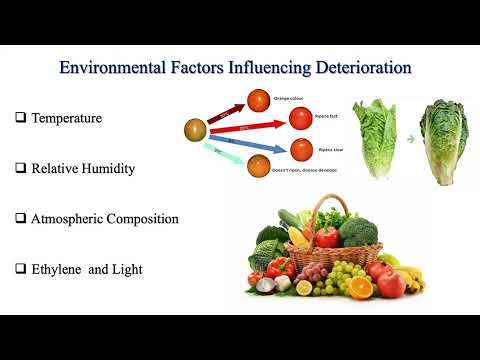
Environmental Factors Influencing Deterioration
Several environmental factors can accelerate the deterioration of food products:
- Temperature: High temperatures can lead to spoilage.
- Relative Humidity: Excess moisture can promote mold growth.
- Atmospheric Composition: The presence of certain gases can affect ripening and spoilage.
Solutions to Mitigate Losses
To address the challenges of pre and post harvest losses, several strategies can be implemented:
- Improved Storage Facilities: Investing in better storage solutions can help preserve food quality.
- Good Handling Practices: Training farmers on proper handling techniques can reduce mechanical injuries.
- Effective Packaging: Using appropriate packaging materials can protect food during transport.
- Market Access and Information: Providing farmers with market intelligence can help them make informed decisions about when and where to sell their produce.
The Global Impact of Food Waste
It is alarming to note that up to one-third of the world's food is wasted. This issue is particularly pressing as the global population is projected to reach 9 billion by 2050. In developed countries, food waste often occurs at the consumer level, while in developing nations, over 30% of certain food products do not even reach the customer due to inefficiencies in the supply chain.
Conclusion
Pre and post harvest losses represent a significant challenge in agriculture, impacting food security and farmer incomes. By understanding the causes and implementing effective solutions, we can work towards reducing these losses and ensuring that more food reaches those who need it. Addressing these issues is crucial for building a sustainable food system that can support a growing global population.