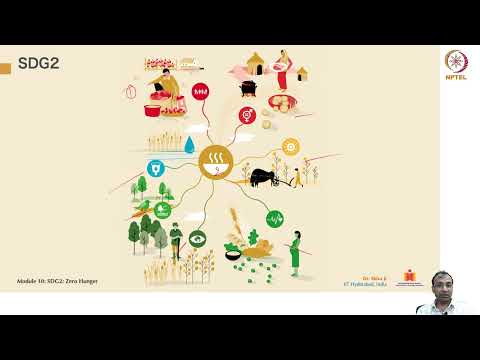
This blog post explores the objectives, challenges, and solutions related to Sustainable Development Goal 2 (SDG 2), which aims to end hunger and ensure food security for all. It discusses the current state of hunger globally, highlights a case study of Woolworths' sustainable farming practices, and emphasizes the importance of nutrition, agricultural resilience, and the interconnectedness of food security and poverty alleviation.
Sustainable Development Goal 2 (SDG 2) aims to end hunger in all its forms everywhere, achieve food security, improve nutrition, and promote sustainable agriculture. This goal is critical as it addresses the fundamental human right to food and the need for sustainable practices in agriculture to meet the demands of a growing global population.
To achieve Target 2.1 by 2030, it is essential to ensure access to safe, nutritious, and sufficient food for all individuals, particularly the poor and vulnerable populations, including infants. The performance of various countries in relation to hunger shows a stark contrast:
The data indicates that a significant portion of the global population still faces food insecurity, highlighting the urgent need for action.
Woolworths, a major food retailer in South Africa, has taken significant steps to address agricultural challenges through its initiative called "Farming for the Future." This program aims to:
Nutrition is a critical component of SDG 2. Malnutrition can manifest in various forms, including undernutrition and obesity. A balanced diet that includes carbohydrates, fats, proteins, vitamins, and minerals is essential for maintaining health. Key points include:
To achieve SDG 2, it is essential to develop sustainable and resilient food systems. This involves:
Food security is closely linked to poverty alleviation. Key interactions include:
Recent data shows a mixed picture regarding undernourishment:
Achieving SDG 2 requires a multifaceted approach that includes sustainable agricultural practices, improved nutrition, and addressing the root causes of hunger and poverty. Organizations, governments, and individuals must work together to ensure that everyone has access to adequate food year-round. The journey towards zero hunger is challenging, but with concerted efforts, it is achievable.
By understanding the complexities of food security and the importance of sustainable practices, we can contribute to a world where hunger is no longer a reality for anyone.