This blog post explores the concept of the AM Trend in index futures trading, detailing its significance, timing, and strategies for identifying and capitalizing on price movements during the New York morning session.
In the world of commodities trading, particularly in index futures, understanding the AM Trend is crucial for traders looking to capitalize on price movements during the New York morning session. This post delves into the intricacies of the AM Trend, its timing, and strategies for effective trading.
The AM Trend refers to the price movements that occur in the index futures market during the New York morning session, specifically from 9:30 AM to noon New York time. This period is characterized by significant price swings, often leading to the formation of the day’s high or low. The AM Trend can either continue the direction established during the overnight session or represent a reversal from that trend.
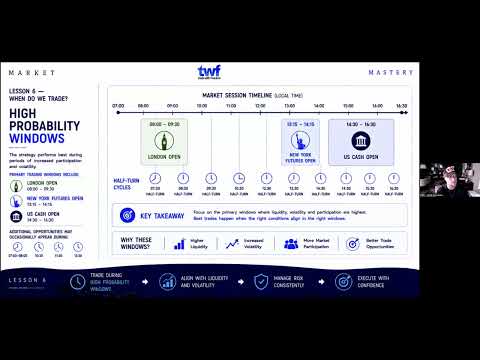
The AM Trend typically begins at 9:30 AM and can last until noon. Traders should pay close attention to the price action during this time, as it often reflects the market's response to overnight developments and sets the tone for the rest of the trading day. The most critical hour for observing price swings is between 9:30 AM and 10:30 AM, where the true day high or low is likely to form.
To effectively trade the AM Trend, it is essential to study intraday price action over multiple days. This analysis helps traders identify patterns and consistency in price movements. For instance, during the New York session, price may trade into a bearish order block, providing a clear indication of the AM Trend.
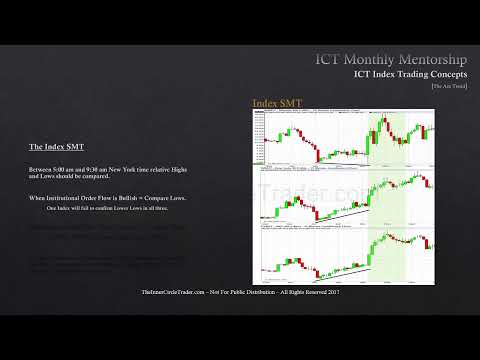
Understanding institutional order flow is vital for trading the AM Trend. Traders should compare relative highs and lows across different indices during the period from 5 AM to 9:30 AM New York time. This comparison helps identify bullish or bearish trends based on how the indices react to market conditions.
Traders can employ various strategies to capitalize on the AM Trend:
The AM Trend is a critical concept for traders in the index futures market. By understanding its timing, analyzing price action, and recognizing institutional order flows, traders can develop effective strategies to capitalize on market movements. As we continue to explore trading concepts, the next lesson will focus on the PM Trend and its implications for trading indices. Until then, good luck and happy trading!