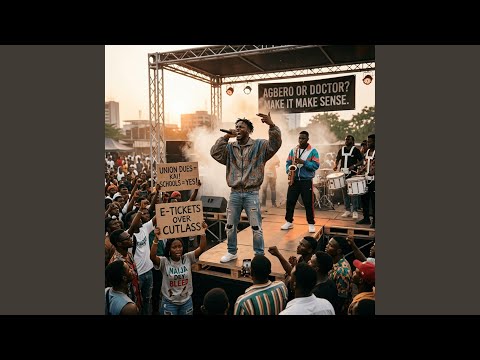
This article delves into the multifaceted challenges facing Nigeria in 2026, highlighting issues such as political corruption, economic disparity, social unrest, and systemic failures. It explores how billions are misappropriated in defense spending while ordinary citizens suffer, the influence of godfathers in politics, and the struggles of everyday Nigerians against a backdrop of greed and exploitation.
Nigeria in 2026 is a nation grappling with deep-rooted socio-political and economic challenges. The situation is marked by widespread corruption, social unrest, and a growing divide between the ruling elite and the masses. This article explores these issues in detail, drawing from vivid depictions of the current state of affairs.
The recurring plea "Make it make sense" encapsulates the frustration of Nigerians trying to comprehend the contradictions and injustices they face daily. Despite the country's wealth and resources, the people continue to suffer under a system that seems rigged against them.
Politicians, especially those from the East and other regions, are portrayed as godfathers who manipulate the system for personal gain. These figures are accused of taking the "idol"—a metaphor for power and resources—while the nation bleeds. The influence of these godfathers undermines democratic processes and perpetuates inequality.
Trillions of naira are reported to be flying over defense budgets, yet the masses remain impoverished. The article highlights the irony of funds meant for national defense being used to build personal defenses for the elite. This misallocation exacerbates poverty and leaves ordinary Nigerians vulnerable.
The narrative paints a stark picture of everyday life for many Nigerians:
Violence and brutality are part of daily reality, not just scenes from movies. Incidents such as drivers being attacked and killed in the early hours underscore the dangerous environment many face. The muscle power of unions and informal groups often leads to conflict rather than protection.
The article references various regional dynamics:
The overarching message is a call to break the system that perpetuates these injustices. Without systemic reform, the cycle of exploitation, poverty, and violence will continue unabated.
Nigeria's challenges in 2026 are complex and multifaceted, involving political corruption, economic inequality, social unrest, and systemic failures. The vivid descriptions and metaphors used highlight the urgent need for transparency, accountability, and reform to ensure that the nation's wealth benefits all its citizens, not just a privileged few. The plea to "make it make sense" remains a powerful reminder of the people's demand for justice and equity.








