Controlling food water content is essential for preserving quality, taste, and shelf life. Methods include dehydration, freezing, and the use of chemical additives, each playing a crucial role in preventing spoilage and maintaining food integrity.
Food preservation is a critical aspect of the food industry, and controlling the water content in food products plays a significant role in this process. By managing water levels, we can delay spoilage, enhance quality, and extend shelf life. This article explores various methods of controlling food water content, their benefits, and the science behind them.
Water content significantly affects the quality of food products, influencing taste, texture, and shelf life. High moisture levels can lead to spoilage and the growth of microorganisms, making it essential to control water content effectively.
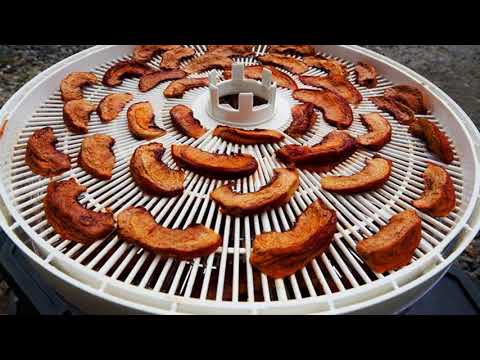
Dehydration is a process that reduces or removes moisture from food, thereby preventing the growth of microorganisms and extending shelf life. This method also reduces the weight of products, which is beneficial for packaging and transportation. Common dehydration methods include:
Proper humidity control is crucial in storing and processing food. It helps prevent mold growth, spoilage, and changes in texture. Key considerations for humidity control include:
Freezing is a widely used method for controlling food water content by lowering the temperature below the freezing point. This process slows down microbial growth, enzyme activity, and deterioration reactions. When food is frozen, water inside forms ice crystals, effectively immobilizing water molecules and reducing their availability for biological and chemical reactions. Benefits of freezing include:
Before freezing, food is typically prepared by cleaning, cutting, and sometimes blanching to preserve color and texture. Proper packaging is crucial to prevent freezer burn and protect food from air exposure, which can lead to dehydration.
Chemical additives play a vital role in controlling food water content, helping to prevent spoilage, maintain texture, and extend shelf life. Some common types of chemical additives include:
Controlling food water content is essential for food preservation and quality. Various methods, including dehydration, freezing, and the use of chemical additives, each contribute to preventing spoilage and maintaining the integrity of food products. Understanding these processes can help consumers and producers alike make informed decisions about food storage and preservation techniques.