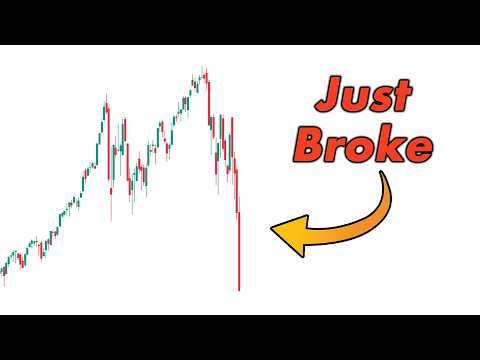
Despite geopolitical crises and rising oil prices, gold and silver prices often drop initially due to liquidity dynamics, rising bond yields, and a stronger US dollar. Historical patterns from the last 50 years show that after this temporary suppression, precious metals typically rally significantly. This article explains the phases of crisis impact on gold and silver, the role of central banks, and sectors that outperform during such times.
We are currently in a crisis — a fact that is evident to everyone, from global leaders to your neighbor's dog. Oil tankers are being attacked in the Persian Gulf, central banks are hoarding gold, and national debt has skyrocketed to unprecedented levels. Yet, many investors are puzzled: why hasn't the price of gold increased despite these alarming conditions?
In this article, we will explore the complex dynamics behind gold and silver prices during crises, drawing on historical data and expert insights to help you understand what to expect and how to position yourself.
Contrary to popular belief, gold prices tend to drop during the initial phase of a geopolitical crisis. This phenomenon has repeated after every major oil shock in the last 50 years, including events in 1973, 1979, 1991, 2001, and 2022.
Gold does not respond to fear directly; instead, it responds to liquidity — the availability of cash and credit in the market. During the first few weeks of a major geopolitical shock, liquidity tightens in a very specific and predictable way.
Because bonds offer a guaranteed return with zero risk, they become more appealing than gold, which does not pay interest. This causes money to flow out of gold and into bonds, leading to a drop in gold prices despite the crisis.
Each of these crises was followed by a significant gold rally, often surpassing previous highs.
Today, the US national debt stands at approximately $38 trillion, with about $9 trillion needing refinancing soon. Interest payments on this debt exceed the entire military budget. This unsustainable situation means the Federal Reserve will eventually have to cut rates, reversing the current headwinds against gold.
Central banks are also buying gold aggressively, diversifying away from the US dollar due to concerns about its reliability.
Phase 1 (Weeks 1-4): Panic Selling
Phase 2 (Months 2-3): Market Settles
Phase 3 (Months 4-18): Recovery and Growth
Phase 4 (Months 12+): New All-Time Highs
Gold and Gold Miners
Silver
Energy
Defense and Aerospace
Utilities
The Federal Reserve is expected to lower interest rates and increase money supply, which will likely lead to higher inflation. More money in the system generally pushes asset prices higher, including stocks, real estate, and hard assets like gold.
Understanding these dynamics and historical patterns can help investors make informed decisions rather than reacting emotionally.
Gold and silver prices dropping during a crisis is a predictable, mechanical response to liquidity, bond yields, and currency strength. History shows that after this temporary suppression, precious metals often rally significantly, supported by central bank buying and structural deficits.
Investors should be aware of the four phases of crisis impact on precious metals and consider diversifying across sectors that historically outperform during geopolitical shocks.
By understanding these patterns, you can position yourself better for the eventual recovery and potential new highs in gold and silver prices.
This comprehensive understanding is crucial for anyone invested in or considering precious metals as part of their portfolio during turbulent times.