Gold experienced its worst weekly collapse in 43 years despite ongoing war in the Middle East, defying traditional safe-haven expectations. This crash is driven by complex factors including geopolitical tensions disrupting oil supply, rising interest rates, algorithmic trading, leveraged ETFs, and sovereign selling by Gulf states. The divergence between paper and physical gold markets highlights opportunities for patient investors with a long-term horizon.
If you own gold or have exposure to precious metals in your retirement account, you may have noticed a significant loss recently. Gold suffered its worst weekly collapse since 1983, a drop more severe than during major crises like 9/11 or the 2008 financial crash. Silver was also hit hard. This decline is surprising because gold is traditionally seen as a safe haven during times of war and geopolitical instability, yet it is falling even as bombs fall in the Middle East.
Many investors expect gold prices to rise during conflicts, but this time gold is defying that rule. Understanding why is crucial to avoid making costly mistakes with your portfolio. This article explains the underlying causes of the crash, who is behind the selling, and what the "smart money" on Wall Street is doing.
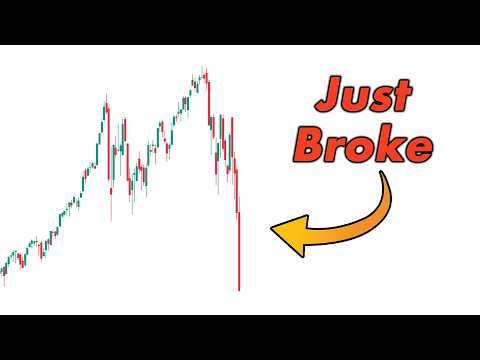
Gold's price recently dropped below key technical support levels, triggering accelerated selling. When prices fall below these critical points, selling volume spikes as traders rush to exit positions. This technical breakdown is a major factor in the rapid price decline.
Gold had a monster rally in 2025, rising about 55%, with silver outperforming at over 130%. Many investors jumped in late, following Wall Street's money flows. However, after the rally, gold suddenly dropped 8% and silver 17% in one session, wiping out months of gains in hours. March saw further declines, including a 7% drop in a single session. Last week's weekly move was the worst since 1983.
Financial media often attribute the drop to hot inflation data and the Federal Reserve holding interest rates higher for longer. While this is partly true, it is an oversimplification. The real story involves a complex chain reaction of war, oil supply disruptions, leverage, algorithmic trading, and historical patterns.
Military strikes in the Middle East, particularly involving Iran, have disrupted tanker traffic through the Strait of Hormuz, a critical oil shipping route. This disruption has effectively cut off about 20% of the global oil supply, causing oil prices to spike dramatically.
With oil prices soaring above $100, and predictions of even higher prices, the cost of gasoline, food, fertilizer, plastics, and pharmaceuticals rises. This inflationary pressure prevents the Federal Reserve from cutting interest rates as previously hoped.
The Fed is trapped, maintaining higher rates to combat inflation. The European Central Bank is also raising rates due to inflation caused by oil prices. Higher interest rates increase the cost of borrowing.
Higher interest rates on government bonds make them more attractive, leading to increased demand for the US dollar. Investors buy dollars to take advantage of these yields, strengthening the currency.
Hedge fund algorithms and trading machines react to higher bond yields and a stronger dollar by automatically selling gold. These machines do not consider geopolitical factors; they follow preset rules, leading to billions of dollars in paper gold being dumped.
Retail investors poured over $70 billion into gold ETFs in 2025, many of which are leveraged 2x or 3x products. These ETFs rebalance daily and must sell gold when prices fall, triggering margin calls and forced selling. This creates a feedback loop where falling prices cause more selling, accelerating the crash.
The current situation mirrors the 1983 gold crash, which was triggered by Middle Eastern oil-producing countries selling gold due to a glut of oil and collapsing market share. Back then, these countries sold gold to fund their governments and defend their currencies pegged to the US dollar.
Today, Gulf states face a similar dilemma but inverted: oil prices are sky-high, but they cannot sell or ship oil due to the disrupted Strait of Hormuz. Storage tanks are full, and production cuts have begun. These countries need cash to defend their currencies and fund government projects, leading to large-scale gold selling.
The recent price crash occurred mainly in the paper gold market—futures, leveraged ETFs, and derivatives—not in the physical gold market. Data shows physical gold is leaving COMEX vaults, indicating strong demand from Asian central banks, Chinese investors, and Eastern buyers who are purchasing gold at a discount.
This divergence suggests that while paper gold prices are crashing, physical gold remains a valuable store of wealth. Historically, physical gold is much harder to manipulate than paper contracts.
Avoid Leveraged Products: Leveraged ETFs can magnify losses and turn corrections into wipeouts. Owning physical gold or unleveraged ETFs with actual gold backing is safer.
Have a Long-Term Horizon: Gold is not a get-rich-quick asset. Patience and time are essential.
Watch Key Indicators: Monitor the US dollar index (DXY) and 10-year Treasury yields. A DXY above 100 and yields above 4% tend to be bearish for gold.
Understand Central Bank Behavior: Central banks do not panic sell during crashes. Their continued buying supports gold's long-term case.
Prepare for Possible Extended Downturn: Like in 1983, gold may enter a prolonged bearish phase. However, the current environment is more complex with factors like dollarization and strong central bank demand.
Gold's worst weekly drop in 43 years is alarming but primarily a paper market event driven by algorithmic selling, leveraged ETF rebalancing, margin calls, and sovereign selling by Gulf states. The physical gold market tells a different story, with strong demand and accumulation.
The long-term case for gold as a store of value and insurance against chaos remains intact, especially amid a war disrupting 20% of global oil supply. The key question for investors is whether they are positioned correctly for what comes next.
Understanding Wall Street's real strategies and money flows, rather than media narratives, is crucial. Investors should focus on fundamentals, avoid excessive leverage, and maintain a diversified portfolio with a long-term perspective.
If you want to learn more about navigating these complex markets and following institutional money flows, consider seeking educational resources and live training sessions offered by experienced market professionals.
Remember, gold is not dead—it is undergoing a significant reset that may present opportunities for patient and informed investors.