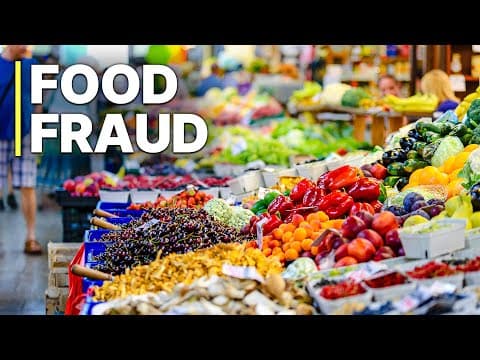
The food industry is plagued by widespread fraud and counterfeiting, often linked to organized crime. This blog post explores various cases of food fraud, including the horse meat scandal and the manipulation of olive oil and tuna products, revealing the complexities and dangers of food safety in a globalized market.
Do we really know what's in our food? From lasagna containing horse meat to olive oil mixed with cheaper oils, the food industry is rife with counterfeiting and fraud. This trade, worth tens of billions of Euros, operates quietly across borders, often controlled by organized crime. This blog post delves into the hidden truths of food fraud, revealing how it affects consumers and the integrity of our food supply.
Food products are regularly recalled from supermarket shelves, often without consumers noticing. This raises serious doubts about the safety and authenticity of the food we consume daily. A notable example occurred in late 2012 in Ireland when DNA testing revealed that some beef products contained horse DNA. Initially thought to be an isolated incident, it soon became clear that this was a global issue, leading to widespread outrage and product withdrawals in various countries.
The horse meat scandal, also known as "Horse Gate," began with the discovery of horse meat in products labeled as beef. Investigators traced the source of this fraud to a complex network involving manufacturers, wholesalers, and traders across Europe. The Dutch police played a crucial role in uncovering this operation, which involved a trader named Yan Fen, who imported horse meat from Canada and Romania and sold it as beef. This scandal highlighted the vulnerabilities in the food supply chain and the need for stricter regulations.
Kristoff Brus, a former trader in the food processing industry, became a whistleblower after exposing widespread fraudulent practices. His revelations prompted European authorities to take action, leading to the establishment of the European food fraud network. However, the network lacks investigative power, relying instead on individual countries to enforce regulations.
Despite the lessons learned from the horse meat scandal, fraud continues to plague the beef industry. In 2019, a case emerged in France involving 1,500 tons of minced steaks intended for charities, which were found to be substandard. The Polish beef industry, known for its competitive pricing, came under scrutiny as investigations revealed that low-quality meat was being passed off as premium products.
Italy, renowned for its culinary heritage, faces significant challenges with food fraud, particularly in the olive oil sector. The demand for Italian extra virgin olive oil has led to widespread counterfeiting, with many products failing to meet quality standards. Investigators have uncovered networks that import lower-quality oils and label them as premium Italian products, undermining the integrity of the industry.
Tuna, often considered a health food, is another product heavily affected by fraud. Investigations revealed that some suppliers were injecting nitrates into tuna to enhance its color, posing serious health risks to consumers. This practice led to numerous cases of food poisoning in Europe, prompting a crackdown by Europol, which resulted in the seizure of large quantities of tainted tuna and the arrest of several criminals.
The complexities of food fraud are exacerbated by globalization, which allows for the easy movement of goods across borders. Manufacturers, importers, and wholesalers bear the responsibility for ensuring the authenticity of food products, yet many cases of fraud go undetected. The lack of transparency in self-checks and the legal obligations of large distribution chains further complicate the issue.
As we conclude our exploration into the dark side of the food industry, it becomes clear that food fraud is a pervasive issue that affects us all. The extent of counterfeiting remains largely unknown, raising concerns about the safety and quality of our food. Consumers are increasingly worried about what is on their plates, and the fight against food fraud is far from over. It is crucial for authorities and consumers alike to remain vigilant in ensuring the integrity of our food supply.