Despite significant global shocks like the Iran war and oil supply disruptions, stock markets have reached all-time highs, while traditional safe havens such as gold, government bonds, and the dollar have underperformed or behaved unusually. Investors are optimistic due to economic resilience and technological growth, but risks remain as these safe assets lose their traditional appeal, potentially leaving stocks as the only viable option amid uncertainty.
In a world rife with geopolitical tensions and economic shocks, one might expect investors to rush toward traditional safe havens such as gold, government bonds, and the US dollar. Surprisingly, stock markets have been thriving, reaching all-time highs or near them in many regions. This article explores why conventional safe assets are underwhelming investors and what this means for the investment landscape.
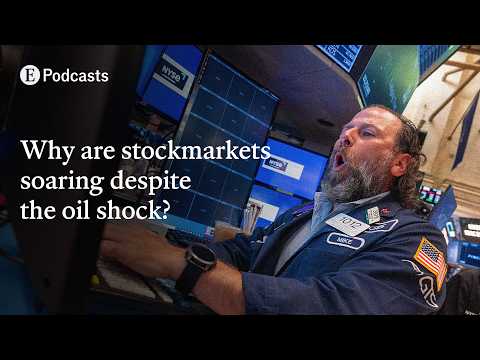
Despite the Iran war triggering one of the largest oil shocks in history, equity markets have shown remarkable optimism. This resilience is puzzling given the constriction in global energy supplies and the anticipated economic damage.
Investors, armed with extensive information and significant capital, seem to believe that the benefits from economic growth and technological advancements, such as the artificial intelligence revolution, will outweigh the negative impacts of the oil shock. This optimism is reflected in the stock market's performance.
Recent years have demonstrated the global economy's and markets' surprising resilience. Multiple shocks—including the COVID-19 pandemic, the Russia-Ukraine conflict, and banking crises—have caused short-term share price plunges, but markets have rebounded quickly each time.
This pattern has created a form of "muscle memory" among investors, who are cautious about selling out during downturns to avoid missing subsequent rebounds. This behavior may explain the current bullish stance despite ongoing geopolitical risks.
While past shocks have been weathered relatively well, the current situation may be more severe. The Iran war has caused a permanent destruction of oil output, particularly in the Strait of Hormuz, which is unlikely to be fully restored even if the conflict ends soon.
The knock-on effects of this disruption are expected to persist, and the war's end remains uncertain. This suggests that the current crisis could have more profound and lasting economic consequences than previous shocks.
Gold has historically been the oldest and most trusted safe haven, serving as a store of wealth and a hedge against inflation and chaos. Over the past five years, gold prices have surged, driven by demand from central banks and retail investors alike.
However, this rise has led to an unusual phenomenon: at the onset of the Iran war, gold prices fell alongside stocks, behaving more like a speculative asset than a safe haven. This atypical behavior may cause investors to view gold less as a refuge and more as a risky bet, despite years of gains.
The US dollar traditionally acts as the currency safe haven during crises. Yet, during the stock market panic triggered by President Trump's tariffs last year, the dollar fell alongside stocks and bonds, defying expectations.
This decline was attributed to concerns about political chaos in the US and other factors undermining confidence in the dollar as a safe asset. Since then, the dollar has stabilized but remains relatively flat during recent crises, indicating diminished safe haven status.
Government bonds are often considered the safest of safe havens, benefiting from flight-to-safety flows and typically rising in value during recessions as interest rates fall.
However, the current crisis presents challenges for bonds. Rising oil and energy prices are expected to push inflation higher, which erodes bond values. Additionally, governments are borrowing heavily to manage the war's economic fallout, raising concerns about fiscal sustainability and the future value of government debt.
These factors combine to make government bonds appear less secure than usual.
With traditional safe havens losing their appeal, many investors see stocks as the only viable option. Stocks can potentially outpace inflation since corporate profits may rise alongside inflationary pressures, preserving investment value better than cash or bonds.
However, this reasoning assumes that companies will indeed generate higher profits, which is not guaranteed. If investors buy stocks mainly because alternatives seem unattractive rather than due to strong profit prospects, there is a risk of inflating a bubble that could eventually burst.
The current investment environment is marked by an unusual divergence: stock markets are thriving despite significant geopolitical and economic shocks, while traditional safe havens like gold, the dollar, and government bonds are underperforming or behaving unpredictably.
Investors' optimism is fueled by economic resilience and technological innovation, but the permanent disruptions caused by conflicts like the Iran war pose real risks. The diminished reliability of safe havens leaves stocks as the primary refuge, raising concerns about potential market vulnerabilities.
Investors should remain cautious and consider the complex dynamics at play when making portfolio decisions in this uncertain landscape.