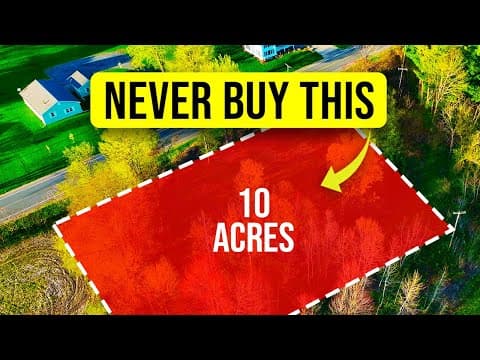
Buying land can be a rewarding investment, but it comes with pitfalls. This article outlines the ten most common mistakes buyers make, from overlooking legal access to ignoring zoning laws, and provides essential tips to avoid costly errors.
Are you excited to buy land but worried about choosing the wrong lot? Having bought and sold over 600 lots online, I learned through painful and expensive mistakes. In this article, I will outline the ten land buying mistakes that can wreck your investment and how to avoid them.
When I first started investing in land, I purchased a half-acre corner lot that seemed perfect on satellite view. However, drone footage revealed that the entire lot was covered in transmission lines, making it impossible to build.
Don't rely on satellite maps alone. Always get drone footage or walk the property yourself. Check for utility easements and county setback rules beforehand.
A property may appear to have road access, but without written confirmation like a deed easement, you might not have the legal right to use that road. For instance, a neighbor could prevent you from accessing your property.
Always verify that you have legal access to the road. Contact the county and ask for the plat map. Physical access does not guarantee legal access.
A property may look lush and perfect, but if it is classified as wetlands, you may face restrictions on building, clearing trees, or even installing a driveway.
Always check for wetlands before purchasing. Use the national wetlands inventory or mapping tools like Land ID, or consult the county.
Flood zones indicate some risk of flooding, while floodways are areas designated by FEMA that must remain open for floodwaters. Building in a floodway is typically prohibited.
Check the FEMA flood map before buying. Use tools like Land ID to visualize flood zones and consult the county planning department.
A property may seem appealing, but if it has a conservation easement, you may be restricted from building or making changes to the land.
Always check for conservation easements. Review the deed or title report, use Land ID, or contact the county or local land trust for confirmation.
Zoning laws dictate what you can do with the land. Buyers often assume they can live in an RV or build a tiny home, only to find out that zoning restrictions prevent it.
Never assume zoning allows your plans. Always verify with the county planning or zoning department what is permitted.
Land can come with code violations that transfer to the new owner, leading to unexpected fines and cleanup costs.
Check with the county code enforcement office for any open violations or pending fines before purchasing. Don’t rely solely on title searches.
Many buyers purchase land without checking the value of similar lots, leading to overpayment or difficulty reselling.
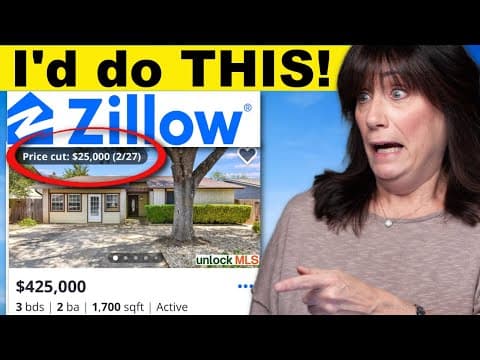
Always look at comparable sales (comps) before buying. Use tools like Zillow to analyze recent sales in the area to understand the market value.
Homeowners Associations (HOAs) can impose strict rules that limit how you can use your property. Buyers often assume HOAs will work in their favor without reading the fine print.
Always read the HOA covenants, conditions, and restrictions (CCNRs) before buying. Understand the rules regarding land use and fees.
The soil capability score (CAP score) indicates how suitable the land is for farming, building, and drainage. A lower score is better, while a higher score can indicate issues.
Check the soil capability score before buying, especially for rural land. Use tools like Land ID to generate a soil report and consider a perk test if you plan to build.
Avoiding these ten mistakes can significantly enhance your land buying experience, whether for personal use or investment. If you're looking to flip land for profit, there are additional lessons to learn. Stay informed and make educated decisions to protect your investment.