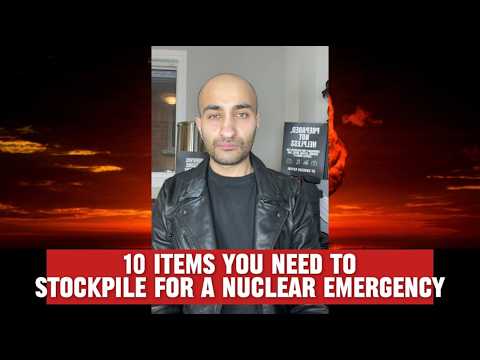
Preparing for a nuclear emergency involves stockpiling critical items that increase your chances of survival. Key essentials include a high-quality gas mask, emergency radio, clean water, first aid kit, potassium iodide, non-perishable food, lighting sources, a geiger counter, plastic sheeting with duct tape, and an emergency evacuation kit. Understanding these items and their uses can help you stay safe during and after a nuclear event.
Preparing for a nuclear emergency can be daunting, but having the right supplies can significantly increase your chances of survival. While being in the immediate blast zone of a nuclear attack is unsurvivable, the further you are from the epicenter, the better your chances. Contrary to popular belief, a nuclear attack does not instantly wipe out an entire country; survival is possible with proper preparation.
It is important to acknowledge that if you are at the initial blast zone, survival is unlikely. However, many people live far enough away to have a chance. The key is to be prepared with the right equipment and knowledge to protect yourself from radiation and other hazards.
A high-quality, tested gas mask is crucial. It protects your lungs and face from radioactive particles in the air, which can be deadly if inhaled. Ensure the mask fits well and is designed to filter out radioactive dust and debris.
Staying informed during a nuclear emergency is vital. An emergency radio allows you to receive updates about the situation, warnings, and instructions from authorities. Choose a radio that can operate on batteries or hand-crank power.
Water supplies may become contaminated after a nuclear event. Bottled water and water stored in sealed containers remain safe to drink. Stockpile enough clean water to last for several days or weeks.
A comprehensive first aid kit is essential for treating injuries and burns that may occur during or after the attack. Include bandages, antiseptics, burn creams, and any necessary medications.
Potassium iodide tablets protect your thyroid gland from absorbing radioactive iodine, which can cause thyroid cancer. Taking potassium iodide at the right time can significantly reduce radiation damage.
Packaged and sealed foods are safe to consume, unlike opened or fresh foods that may be contaminated. High-calorie, ready-to-eat items such as ration bars are ideal for sustaining energy.
Power outages are common during emergencies. Stockpile flashlights, batteries, and candles to provide light when needed.
A geiger counter detects radiation levels in your environment. This device helps you determine when it is safe to go outside or if you need to take additional protective measures.
Use plastic sheeting and duct tape to seal windows, doors, and vents. This helps prevent radioactive dust and particles from entering your shelter.
If you receive advance warning of a nuclear attack and are near a high-risk area, having an evacuation kit ready is critical. This kit should include essential supplies to help you quickly leave the danger zone and travel to safety.
For those interested in more detailed information, resources such as the World War II survival guide provide extensive coverage on nuclear attack survival strategies, air strikes, evading drone attacks, communications during crises, cyber attack survival, stockpiling essentials, fortifying your home, medical preparedness, and even information on nuclear bunkers and the safest countries during wartime.
While the prospect of a nuclear attack is frightening, being prepared with the right supplies and knowledge can greatly improve your chances of survival. Stockpiling these ten essential items and understanding their uses is a practical step toward readiness. Remember, survival depends not only on what you have but also on how well you use it during an emergency.








