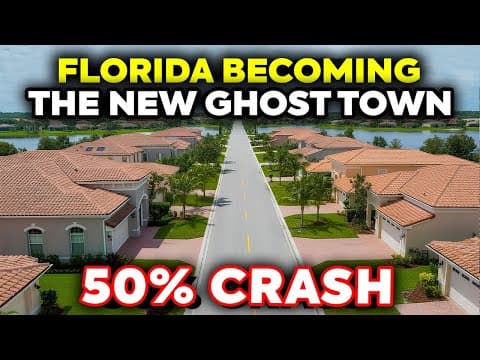
Florida's real estate market is experiencing a significant downturn, with ten cities showing alarming signs of becoming ghost towns by 2025. Rising inventory, collapsing demand, and skyrocketing insurance costs are leading to plummeting home values and extended days on the market. This article explores the challenges faced by these cities and the implications for homeowners and investors alike.
Florida, known for its sunny beaches and vibrant real estate market, is witnessing a troubling trend as cities that once thrived are now showing signs of distress. With rising inventory, collapsing demand, and soaring insurance costs, many areas are at risk of becoming ghost towns. This article delves into ten Florida cities that are currently facing significant challenges in the housing market as we approach 2025.
Port Charlotte was once a hidden gem in Florida, offering coastal breezes and affordable homes. However, by 2025, the situation has drastically changed. Homes that previously sold within a week are now lingering on the market for over 90 days. The median home price has plummeted from $333,242 in 2022 to $285,719, a 14.2% drop. This decline has left many homeowners underwater, with rising insurance costs further complicating the situation. As families and retirees leave the area, Port Charlotte risks becoming a ghost town.
Cape Coral was once the darling of Florida's housing boom, with home prices soaring to $424,767 in 2022. Fast forward to 2025, and the median price has dropped to $361,761, a nearly 15% decline. The market is flooded with inventory as investors rush to sell, and soaring insurance premiums post-Hurricane Ian have made homeownership increasingly unaffordable. With pending sales falling through at alarming rates, Cape Coral is becoming a cautionary tale in Florida's housing landscape.
Northport experienced a surge in popularity during the pandemic, with home prices reaching $379,254 in 2022. However, by 2025, prices have fallen to $321,224, a 15.3% decrease. The oversupply of homes, coupled with tightening lending standards, has led to a significant drop in buyer interest. With foreclosure rates rising and homes sitting on the market for over 90 days, Northport is on the brink of a housing crisis.
Once an affordable option for homebuyers, Palm Bay's median home value has decreased from $328,350 in 2022 to $312,342 in 2025. The market is facing challenges from an oversaturated rental market and a significant number of Airbnb owners exiting the market. With rising mortgage rates and a lack of qualified buyers, homes are taking longer to sell, and the market is showing signs of cooling.
Port St. Lucie has long been a family-friendly city, but by 2025, the median home price has dropped from $405,10 to $375,513, a 7% decline. The market is experiencing a collapse in buyer demand, with many pending sales falling through due to financing issues. Rising HOA fees are adding to the financial strain on homeowners, leading to longer days on the market and a slowdown in sales.
Poinciana, once a haven for first-time buyers, has seen its median home price drop from $322,450 in 2022 to $290,655 in 2025. Homeowners are facing insurance costs that exceed their mortgage payments, leading to a decline in rental market profitability. The average days on market have increased significantly, and the community is experiencing a slowdown in population growth, raising concerns about its future viability.
Deltona was once an affordable suburb, but by 2025, the average home price has fallen from $340,178 to $298,655, a 12.2% decrease. The city is grappling with a population decline as families leave due to rising costs. The market is flooded with listings as investors pull out, and pending sales are collapsing at alarming rates. Deltona's housing market is showing signs of severe distress.
Ocala, known for its rural charm, has seen its median home price drop from $280,10 in 2022 to $255,510 in 2025. Soaring insurance premiums are pushing housing costs beyond affordability, and canceled construction projects signal a lack of confidence in the market. Homes are taking longer to sell, and declining property tax assessments indicate a retreating market.
Once a booming real estate market, Tampa's average home price has decreased from $383,410 in 2022 to $360,13 in 2025. The city is facing a significant increase in housing inventory, with homes sitting on the market for longer periods. Buyer financing issues are exacerbating the situation, and the investor selloff is creating a ripple effect throughout the market.
Winter Haven, known for its lakeside living, has seen its average home price drop from $300,25 in 2022 to $275,513 in 2025. Homeowners are facing skyrocketing insurance costs, and the city has experienced a net outflow of residents. The oversupply of new developments is leading to vacant homes, and the market is showing multiple signs of distress.
The housing market in Florida is undergoing a significant transformation, with many cities facing challenges reminiscent of the 2008 crash. Rising inventory, collapsing demand, and soaring insurance costs are leading to plummeting home values and extended days on the market. As these ten cities grapple with their housing crises, the implications for homeowners and investors are profound. Without a shift in economic conditions or housing policies, Florida may see more of its once-thriving communities turn into ghost towns by 2025.