Understanding the 12 key factors that influence property values can help homeowners, buyers, and investors make informed decisions in the real estate market.
Whether you're a homeowner, a potential buyer, or an investor, understanding the factors that influence property values is essential for making informed decisions in the real estate market. In this article, we will explore twelve key factors that can greatly affect property values, helping you decide whether to sell your home or make an offer on a property you have your eye on.
Location is perhaps the most critical factor affecting property values. Desirable neighborhoods with highly rated schools, close proximity to amenities, and low crime rates tend to have higher property values compared to less desirable areas. The old adage "location, location, location" holds true in real estate.
The size and layout of a property significantly impact its value. Larger homes and those with well-designed floor plans, ample storage space, and functional layouts are generally more valuable. Buyers often prefer homes that maximize space and usability.
The overall condition of a property, including its age, maintenance, and renovations, can affect its value. Well-maintained properties that require minimal repairs or updates typically command higher prices. A property in good condition is more appealing to potential buyers.
Unique and desirable features such as a swimming pool, a fireplace, a spacious backyard, or a scenic view can positively impact property values. These features can make a property stand out in the market, attracting more buyers and potentially leading to higher offers.
Modern amenities and upgrades, such as energy-efficient appliances, smart home technology, and high-quality finishes, can increase a property's value. Buyers often seek these features for their convenience and long-term cost savings, making upgraded properties more attractive.
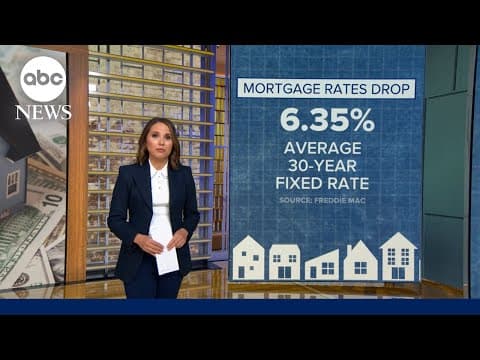
The state of the real estate market, including supply and demand, interest rates, and economic factors, can influence property values. In a seller's market, where demand exceeds supply, property values tend to rise. Conversely, in a buyer's market, values may stagnate or decline.
The prices of similar properties recently sold in the area, known as comparable sales or comps, provide a benchmark for property values. Appraisers and buyers often refer to these sales to determine a fair price for a property, making them a crucial factor in real estate transactions.
Zoning regulations and potential future developments can impact property values. Being near planned infrastructure improvements, new commercial centers, or transportation hubs can increase property values, as these developments often enhance the desirability of an area.
The presence of parks, shopping centers, restaurants, recreational facilities, and other amenities can positively influence property values. People are often willing to pay more to live in neighborhoods with convenient access to these amenities, as they enhance the quality of life.
High property taxes can negatively affect property values, as they increase the overall cost of homeownership. Buyers often consider property tax rates in an area when assessing a property's value, making this an important factor to keep in mind.
Environmental considerations, such as proximity to industrial sites, potential hazards, or natural beauty, can affect property values. Properties with pristine views or located in natural settings tend to be more valuable, as they offer a desirable living environment.
Historical homes or properties located in designated historical districts often have increased value due to their architectural and cultural significance. These properties may be subject to additional preservation regulations, which can also impact their marketability and value.
Understanding these twelve factors can empower homeowners, buyers, and investors to make informed decisions in the real estate market. Whether you are considering selling your home or making an offer on a new property, keeping these factors in mind will help you navigate the complexities of property values effectively.