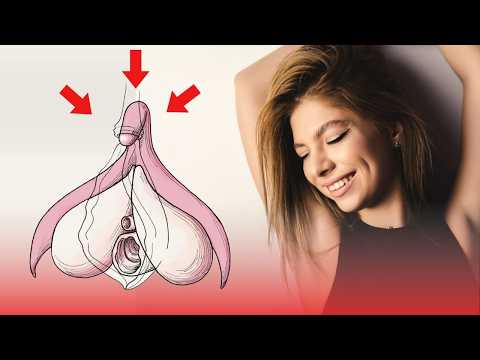
The female climax is a complex physiological event involving coordinated activation of the brain, nervous system, muscles, cardiovascular system, and hormones. This article explains the buildup phases, the climax itself, and the resolution phase, detailing muscle contractions, brain activity, hormonal surges, and cardiovascular responses, as well as factors influencing the experience and differences from male biology.
The female climax is one of the most complex physiological events in the human body. In less than a minute, multiple systems including the brain, nervous system, muscles, cardiovascular system, and hormonal system activate in a precise, coordinated sequence. Most people are unaware of the extensive biological processes occurring during this moment. Understanding the real biology behind climax can deepen appreciation and insight into the entire experience.
This article walks you through what happens inside the female body during climax, step by step, system by system, covering brain activity, muscle contractions, hormonal release, and the recovery process.
Before climax can occur, the body must progress through the arousal and plateau stages. During this buildup:
Essentially, the body is loading energy and building toward a release point. This buildup is critical because climax is the sudden release of all this accumulated tension. Without sufficient buildup, the release is weak or may not occur at all. This explains why the arousal phase is biologically important.
Climax is triggered by the autonomic nervous system, which operates without conscious control. At the peak of arousal, the nervous system reaches a threshold and fires a cascade of signals. This process is largely controlled by the sympathetic nervous system, the same system involved in intense physical states. Signals travel through the spinal cord and trigger the physical events of climax.
The defining physical feature of climax is a series of rhythmic muscle contractions. The pelvic floor muscles contract involuntarily in waves, typically occurring at intervals of about 0.8 seconds. The first few contractions are the most intense, then they gradually slow and weaken. A typical climax involves 5 to 15 contractions, lasting from about 10 seconds up to a minute in total.
These contractions involve not only the pelvic floor but often the uterus and surrounding muscles as well.
Brain imaging research shows that during climax, more than 30 different regions of the brain activate. The reward centers flood with activity, while areas associated with anxiety, fear, and self-monitoring decrease in activity. Essentially, the brain quiets its stress and judgment centers while activating pleasure and reward centers. This neurological shift contributes to the powerful sense of release and relaxation experienced.
At the moment of climax, the brain releases a surge of specific hormones:
This hormonal cocktail is one of the most powerful naturally produced in the human body.
During climax, heart rate can climb significantly, sometimes reaching levels similar to moderate exercise. Blood pressure rises, breathing becomes rapid, and the skin may flush as blood vessels dilate. The cardiovascular system operates at an elevated, intense level during these brief moments.
Immediately after climax, the body enters the resolution phase:
This phase is medically significant because the elevated oxytocin primes the body for bonding and closeness. This biological mechanism explains why moments immediately after intimacy are so emotionally powerful.
Unlike males, who typically enter a refractory period after climax during which further sexual response is blocked temporarily, the female body generally does not have this mandatory recovery pause. With continued stimulation, females can sometimes experience additional climax events without the refractory period required by males.
Several factors influence the climax process:
A common misconception is that climax is a single, uniform experience. Research shows that the female body can experience different types of climax involving various nerve pathways and anatomical zones. Each type can feel distinct, reflecting the complexity of the underlying biology.
During female climax:
After climax, the body enters resolution with elevated bonding hormones producing lasting calm and connection. Unlike males, females generally do not require a refractory recovery period.
Understanding these biological processes provides insight into the complexity and beauty of the female climax.
If you found this explanation useful, consider exploring further topics on human biology to deepen your knowledge of health and wellness.