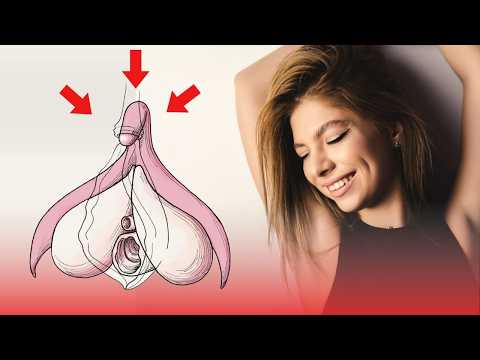
The clitoral hood, often overlooked, plays a crucial role in female pleasure and orgasm. This article explores its anatomy, types, and how sensitivity varies with arousal and hormonal cycles. It also discusses hygiene's impact on comfort and sexual health, offering practical techniques to navigate and stimulate the clitoral hood effectively for deeper connection and satisfaction.
You may already know the clitoris as the primary pathway to orgasm for most women, but there is a crucial part of a woman's anatomy that is often overlooked: the clitoral hood. This hidden layer has a direct and significant impact on how pleasurable your touch truly is and whether your efforts are landing the way you intend.
In this comprehensive guide, we will dive into everything you need to know about the clitoral hood so you can truly rock her world. There is not nearly enough information about the clitoral hood and how to give and receive pleasure through it, so this article aims to fill that gap.
The clitoral hood is a fold of skin that covers and protects the external glands of the clitoris. Think of it as the female equivalent of the foreskin on a penis. Its primary function is to protect one of the most sensitive structures in the body from constant overstimulation and environmental exposure. It acts like a bodyguard for her most sensitive area.
For analogy lovers, imagine the hood of a car protecting the engine and all its components from exposure. To access the engine, you have to pop the hood. Similarly, to stimulate the clitoris effectively, understanding and navigating the clitoral hood is essential.
Every clitoral hood is unique, varying in size, coverage, and how much it retracts during arousal. Understanding these differences will change how you approach clitoral touch entirely. What works for one woman or one moment may not work universally.
There are three main types of clitoral hoods:
While you can sometimes visually identify the type of clitoral hood by observing where the hood sits relative to the clitoral gland, anatomy at rest does not always predict response at peak arousal. The key is to read her body's responses to touch at different stages of arousal in real time.
As a woman becomes sexually aroused, her clitoris engorges with blood, similar to how a penis becomes erect. This engorgement causes the clitoral hood to retract, exposing more sensitive tissue.
Try stroking the shaft of the clitoris beneath the hood without directly touching the gland. This wakes up the entire clitoral structure, building arousal and anticipation, making eventual direct contact feel extraordinary rather than jarring.
Sensitivity varies enormously, even with the same woman, relationship, and arousal level. Hormonal shifts across the menstrual cycle affect clitoral sensitivity:
This means what worked last time may not work now. Approach each encounter with curiosity and exploration.
Always start with light touch and indirect stimulation, then build up to more direct contact. This approach prevents overstimulation and allows for a more pleasurable experience.
When using a vibrator, approach through the inner and outer labia first rather than directly on the clitoral gland, especially if she is highly sensitive.
The clitoral hood produces a substance called sebum, a combination of dead skin cells, bacteria, and natural secretions. When sebum accumulates under the hood, it can affect comfort and sensitivity and may lead to medical conditions such as clitoral adhesions.
Adhesions occur when the skin under the hood sticks to the clitoral gland, preventing natural retraction during arousal. This can cause discomfort and reduce pleasure.
The vulva is a self-cleaning ecosystem. The only cleaning needed for external genitals, including the clitoral hood, is warm water. Avoid soaps and fragrances that can disrupt this balance.
Women unaware of clitoral adhesions might believe they simply do not enjoy clitoral touch, when in fact, an easily adjustable physical condition may be the cause.
The most important skill in navigating the clitoral hood is the quality of attention you give. Be curious, present, and responsive to her cues.
Ask questions like:
Guide and lead confidently while responding to her feedback. Remember, her preferences may change from one encounter to the next.
Great lovers are not born; they are built through skill, presence, and confidence. Mastering the nuances of the clitoral hood and female pleasure is part of becoming unforgettable in bed.
By understanding anatomy, sensitivity variations, hygiene, and communication, you can deepen your connection and enhance pleasure for both of you.
Knowing the clitoral hood's anatomy and how to navigate it is essential for enhancing female pleasure and orgasm. Recognize the three types of clitoral hoods, understand sensitivity fluctuations, and maintain proper hygiene to avoid discomfort.
Always begin with exploration and light touch, build arousal gradually, and communicate openly. This approach will help you create deeply satisfying and memorable sexual experiences.
Remember, the key is curiosity, attention, and adapting to her unique and changing needs.
Thank you for reading and embracing the journey to better understanding and connection.
If you want to explore more about mastering your sex life, consider taking a sex IQ test to find your strengths and areas for growth. Embrace learning and connection for a more fulfilling intimate life.