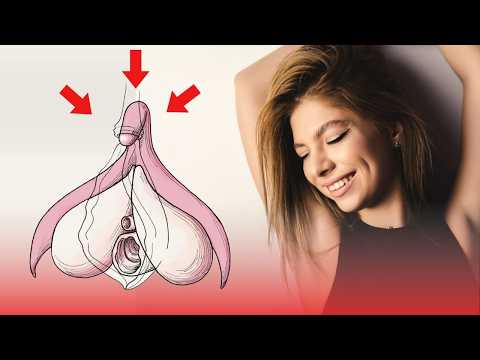
Vocalization during intimacy is largely an involuntary physiological response influenced by the autonomic nervous system, breathing patterns, nervous system reactivity, learned behavior, communication, and psychological comfort. Sound level does not reliably indicate pleasure intensity. Hormones, medications, and age also affect vocalization patterns. Couples should focus on physiological signals rather than sound to understand arousal accurately.
Intimate moments can vary greatly between individuals, especially when it comes to vocalization. Some women naturally vocalize during intimacy, while others remain almost completely silent. This difference is not merely a matter of preference or personality but is deeply rooted in biology involving the nervous system, breathing, and brain processing of pleasure.
In this article, we will explore the physiology behind vocalization during intimacy, why it varies so much between individuals, what research reveals, and what sound or silence truly indicates.
Vocalization during intimate moments is largely an involuntary response controlled by the autonomic nervous system — the same system that regulates heart rate, breathing, and other automatic bodily functions.
During heightened arousal, the sympathetic branch of the autonomic nervous system activates, causing an increase in breathing rate. The muscles around the chest, throat, and diaphragm engage more intensely, pushing air more forcefully across the vocal cords. This process naturally produces sound, often without conscious intention.
In essence, much of the vocalization is a physiological byproduct of accelerated breathing combined with muscle tension rather than a deliberate action.
Several medical and psychological factors contribute to why some women vocalize more than others during intimacy:
People have different breathing styles under exertion. Some naturally exhale more forcefully, moving more air across the vocal cords and producing louder sounds. Others breathe more shallowly or even hold their breath during peak moments, resulting in little to no sound. This variation is similar to how some people are loud breathers during exercise while others are quiet.
Each person’s autonomic nervous system has a unique baseline reactivity. Some nervous systems respond to stimulation with strong, visible, and audible reactions, while others process the same level of stimulation more internally. This difference does not reflect the intensity of sensation but rather how the body externally expresses it.
Behavioral science research shows that vocalization is partly shaped by environment and habit. Someone who has lived in situations requiring quiet may unconsciously stay silent during intimacy, while others without such conditioning may vocalize freely. This learned regulation overlays the involuntary biological response.
Some studies suggest that vocalization is not purely involuntary but also serves a communication function. Sounds can act as unconscious or semi-conscious signals to a partner, conveying information beyond mere sensation. This means vocalization is partly relational and contextual.
A person’s comfort with their own body and sense of safety during intimacy significantly affects vocal expression. Those who feel self-conscious may suppress sound, while those who feel at ease may express themselves more freely. Emotional safety influences the entire arousal response.
A widespread misconception is that more vocalization equates to more pleasure, and silence means less. However, biology does not support this assumption. Sound level measures how the body externally expresses arousal, not the intensity of sensation experienced.
A silent individual may be experiencing intense internal sensation, while a vocal person might be expressing a moderate experience loudly. Therefore, sound and pleasure intensity are not reliably correlated.
More reliable indicators of arousal include physiological changes such as:
These markers provide consistent biological signals, unlike vocalization.
Hormonal levels affect both arousal intensity and the threshold for involuntary vocal responses. These levels fluctuate across life stages, which can change vocalization patterns over time, especially during major hormonal transitions.
Certain medications, including some antidepressants and blood pressure drugs, influence the nervous system and can alter arousal expression, including vocalization. This is a side effect of their action on the autonomic nervous system.
As the body ages, changes in breathing patterns, muscle tone, and nervous system reactivity naturally affect vocal expression during intimacy.
The key takeaway is to stop using vocalization as a scorecard for pleasure or satisfaction. Interpreting silence as disinterest or sound as success is biologically inaccurate and can lead to misunderstandings.
Couples should focus on physiological signals rather than auditory cues to better understand each other’s arousal and pleasure.
Understanding these factors can improve communication and intimacy by reducing misconceptions about vocalization and pleasure.
If you found this information helpful, consider exploring further resources on physiological signs of arousal and human biology to deepen your understanding of intimate experiences.