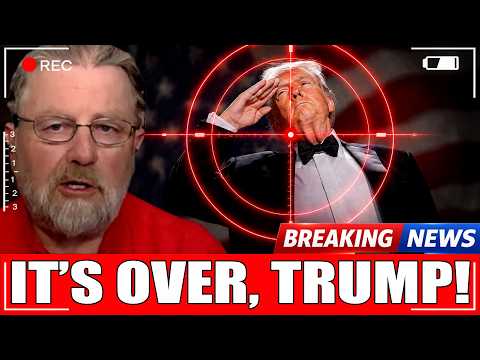
This article provides a detailed examination of the recent shooting incident involving Donald Trump, highlighting security failures, unusual behaviors of key individuals, and the suspicious circumstances surrounding the event. Insights from former Secret Service and FBI operatives raise questions about the adequacy of protection measures and the possibility of the incident being staged for political purposes.
The recent shooting incident involving former President Donald Trump has raised numerous questions about security protocols, the behavior of key individuals, and the overall handling of the situation. This article delves into the details of the event, drawing on expert insights from former Secret Service and FBI operatives to analyze what really happened.
Donald Trump was preparing to deliver a speech described as classic Trump—funny, entertaining, and with some shots fired figuratively. However, the real shots fired during the event led to chaos and confusion.
The first person removed from the stage was JD Vance, who was hustled off immediately after the gunshots. Trump, however, remained seated for about 30 seconds before being evacuated. This delay violates every Secret Service protocol, which mandates immediate removal of the protectee from danger.
The event took place at the Washington Hilton, a location previously secured by Secret Service during Ronald Reagan's era. Proper security involves establishing a perimeter around the hotel, controlling all entrances, and securing the ballroom with metal detectors and armed officers ready to neutralize threats.
In this incident, these measures were reportedly absent. The shooter, a hotel guest, was able to bring a shotgun down an elevator and pass through checkpoints without being stopped or shot, which is highly irregular.
Despite multiple law enforcement officers present, the shooter was not immediately neutralized with gunfire. He was tackled to the ground without any visible bullet wounds, which contradicts standard protocol where an armed threat is to be stopped with lethal force immediately.
The shooter, Cole Allen, is a 31-year-old engineering student with no known firearms expertise. He legally purchased his weapons in California and traveled by train to Washington, D.C., which raises questions about who might have assisted him, as this mode of transport is unusual for such an operation.
Experts suggest the incident may have been staged, similar to previous FBI entrapment cases. While the shooter had a real gun and intent, the lack of proper security and the unusual response raise doubts about the authenticity of the event.
A mentalist performing at the event was involved in a moment that seemed to trigger the shooter. The mentalist, an Israeli performer known for mind-reading acts, was revealing the name of an unborn child when the shots rang out. Trump's calm demeanor contrasted with Melania's horror, suggesting Trump may have anticipated the event.
Cash Patel, the FBI director present, was seen meandering and calling an Uber immediately after the shooting, behavior considered highly unprofessional and indicative of incompetence. Reports suggest Patel has a drinking problem and has misused resources, further undermining confidence in the FBI's handling of the situation.
Some attendees were seen casually taking wine off tables during the chaos, raising questions about the seriousness of the response and the overall management of the event.
Personal experiences shared by experts reveal lax security measures at Mar-a-Lago, with firearms being allowed on the property without thorough checks. This pattern of inadequate security extends to the recent incident, highlighting systemic failures within the Secret Service.
The shooter's manifesto, released post-incident, contains unusual elements such as an apology to people he traveled with on the train and cryptic references to rules of engagement and specific individuals like Mr. Patel. The manifesto's tone and content add to the suspicion surrounding the event.
The discussion also touched on the broader military context, including the United States' limited options for ground and maritime operations in the Middle East, particularly regarding Iran. The strategic environment has changed significantly over the past two decades, affecting military readiness and response capabilities.
The shooting incident involving Donald Trump exposes significant security lapses and raises questions about the motivations and orchestration behind the event. The unusual behaviors of security personnel and key figures, combined with the shooter's background and manifesto, suggest a complex scenario that warrants further investigation. The incident also reflects broader challenges in U.S. security and military strategy.
This comprehensive analysis aims to provide readers with a clear understanding of the multifaceted issues surrounding the Trump shooting incident, encouraging critical thinking about security, politics, and media narratives.