Carl Sandburg, born in 1878 to a poor immigrant family, became a national poet whose work resonated with the struggles of the American working class. His poetry, characterized by free verse and a focus on labor, reflects his deep commitment to social justice and the dignity of workers. Through poems like 'Chicago' and 'Masses', Sandburg captures the spirit of resilience among the oppressed, advocating for their rights and highlighting the injustices they face.
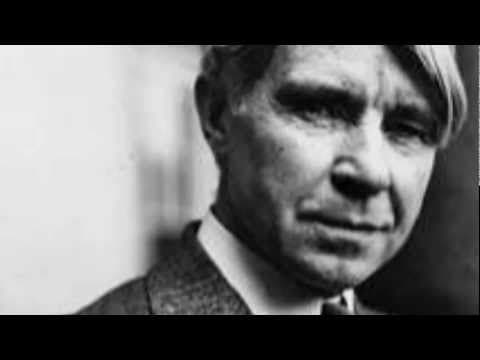
Carl Sandburg, a beloved and prolific national poet, is often regarded as a man of the people. His work inspired many and spoke to the spirit of America, making him a significant figure in American literature. Born in 1878 to a poor Swedish immigrant family, Sandburg spent much of his childhood in Galesburg, Illinois. His early fascination with American democracy was ignited by the local political figure Abraham Lincoln, who became his boyhood hero. Lincoln's historic debates, particularly with Stephen Douglas at nearby Knox College, left a lasting impression on Sandburg, shaping his views on social justice and the role of the individual in society.
Sandburg's journey as a poet began with a challenging childhood. He dropped out of school at the age of 13 and worked as a day laborer, traversing the Great American West. During his travels, he encountered a diverse array of people, which contributed to his understanding of the American experience. His service in the Spanish-American War further deepened his devotion to his country and its people.
In 1898, Sandburg entered Lombard College, where his experiences as a laborer and soldier began to manifest in his poetry. His writing style, characterized by free verse, was a reflection of the revolutionary naturalistic aesthetic of the time. Sandburg's poetry was colloquial and realistic, often imitating the harsh realities of labor struggles and oppression.
Central to Sandburg's work is his emphasis on the importance of the laborer. His involvement with the Social Democratic Party in Wisconsin and his experiences with laborers in his youth informed his humanitarian platform. Sandburg's poetry often critiques the oppressive aristocratic class, which he viewed as the greatest threat to the working man.
In poems like "They Obey," Sandburg uses a plural first-person perspective to illustrate the omnipotence of the aristocratic class, which commands the laborers to build, destroy, and rebuild, despite the futility of their tasks. This portrayal highlights the helplessness of the laborers, contrasting their toil with the oppressive forces that control their lives.
Sandburg's poetry is imbued with a sense of disillusionment and anger, which he channels into a call for social reform. His works often depict a powerful and large working class, emphasizing their strength and resilience in the face of oppression. In his poem "Masses," he marvels at the raw energy of nature, equating the struggles of the people with the stubborn resilience of the natural world.
The speaker in "Masses" recognizes the plight of the working man, who, despite being downtrodden, continues to endure. Sandburg's portrayal of the poor and patient laborers reflects his belief that something must be done to prevent them from becoming the ruins of the nation they helped build.
Perhaps Sandburg's most famous work is his poem "Chicago," which serves as an examination of the city, its industry, and the people who drive it. The poem captures the spirit of Chicago, a city characterized by its vibrant and proud populace. Sandburg writes:
"Hog butcher for the world, tool maker, stacker of wheat, player with railroads and the nation's freight handler, stormy, husky, brawling city of the big shoulders."
In this tribute, Sandburg acknowledges the city's flaws, including its crime and poverty, but he also celebrates its spirit defined by resilience and pride. He challenges critics who focus solely on the city's evils, asserting that the true essence of Chicago lies in its people—fierce, cunning, and defiant.
Sandburg's poetry consistently advocates for the rights of workers and soldiers. Through his works, including "Chicago," "They Obey," and "Masses," he demands justice for the laborer and an end to class-based oppression. This message resonates throughout his body of work, reflecting his deep commitment to social justice.
In conclusion, Carl Sandburg's poetry is a powerful testament to the struggles of the American working class. His raw and democratic voice captures the essence of resilience among the oppressed, making him a poet of the people. Even today, his work continues to inspire and provoke thought about the ongoing fight for social justice and the dignity of labor.