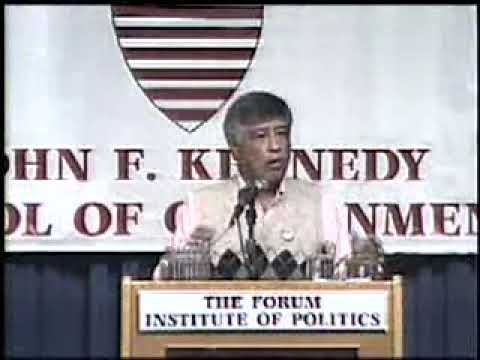
Cesar Chavez emphasizes that passing laws alone does not resolve deep-rooted social issues such as homelessness, racism, and poverty. He advocates for understanding the complexities of these problems and suggests that boycotts and community action can be more effective than legislation.
Cesar Chavez, a prominent civil rights activist, delivered a powerful speech addressing the persistent issues of homelessness, poverty, racism, and sexism in society. He highlighted the inadequacies of relying solely on legislation to solve these complex problems.
Chavez pointed out a significant disparity in the political power of different social classes. He noted that the votes of the wealthy carry more weight than those of the poor and marginalized. This inequality suggests that the political system favors those who own property and wealth, leaving the voices of the less fortunate unheard.
A recurring theme in Chavez's speech was the societal desire for quick fixes to deep-rooted issues. He criticized the mentality that believes passing a law can instantly resolve a problem. Chavez referenced various laws aimed at addressing drug issues, crime, sexism, racism, and poverty, arguing that despite these laws, the problems persist. He emphasized that societal issues require more than just legislative action; they demand a deeper understanding and long-term commitment to change.
Chavez acknowledged that the solutions to these problems are not straightforward. He argued that the complexities of social issues cannot be resolved as easily as brewing instant coffee. Instead, he called for a more nuanced approach that considers the unique circumstances of each community.
One of the critical points Chavez made was about land ownership and its implications for power dynamics within communities. He explained that owning land confers a different level of power compared to owning a business or factory. This distinction is crucial, as land ownership often translates to control over local resources and communities, particularly in regions like Central America.
Chavez shared insights from his experiences with boycotts, drawing inspiration from leaders like Gandhi and Dr. Martin Luther King Jr. He described boycotts as a vital tool for those who lack political power or financial resources. By voting with their wallets, marginalized communities can challenge injustices and demand change. Chavez's organization had learned valuable lessons from nearly three decades of boycotting, recognizing it as a human process that, while difficult to articulate, can effectively bring about social change.
In conclusion, Cesar Chavez's speech serves as a poignant reminder that legislation alone cannot solve the complex issues of homelessness, poverty, racism, and sexism. He advocates for a deeper understanding of these problems and encourages community action, particularly through boycotts, as a means to address injustices. Chavez's insights remain relevant today, urging us to look beyond quick fixes and engage in meaningful efforts to create lasting change in society.