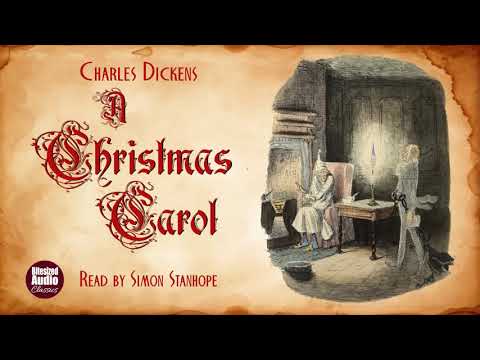
A Christmas Carol by Charles Dickens is a classic ghost story that explores themes of redemption, compassion, and the true spirit of Christmas. Through the visits of three spirits and the ghost of his former partner Marley, the miserly Ebenezer Scrooge confronts his past, present, and future, leading to a profound transformation in his character and outlook on life.
Charles Dickens' A Christmas Carol is a profound ghost story of Christmas, first published in December 1843. It aims to evoke reflection and change in its readers, encouraging kindness, charity, and the celebration of Christmas spirit. The story follows Ebenezer Scrooge, a miserly old man, who is visited by the ghost of his former business partner, Jacob Marley, and three spirits representing Christmas Past, Present, and Yet to Come.
The story begins by establishing that Marley is unquestionably dead, confirmed by official records and witnesses. Scrooge, Marley's former partner, is a cold-hearted, tight-fisted man, known for his miserly ways and lack of compassion. He is described as "a squeezing, wrenching, grasping, scraping, clutching, covetous old sinner," whose coldness affects his appearance and demeanor.
Scrooge despises Christmas, calling it a "humbug," and refuses to partake in its celebrations or charity. He is indifferent to the suffering of the poor and dismisses the idea of generosity during the festive season.
On Christmas Eve, Scrooge is visited by the ghost of Jacob Marley, who appears bound in heavy chains made of cash boxes, keys, padlocks, and ledgers — symbols of his greed and selfishness in life. Marley warns Scrooge that he is doomed to wander the earth in torment unless he changes his ways. Marley tells Scrooge that he will be visited by three spirits who will offer him a chance for redemption.
The first spirit, the Ghost of Christmas Past, appears as a strange figure, both childlike and old, glowing with a bright light. It takes Scrooge on a journey through his own past, showing him scenes from his childhood and youth. Scrooge witnesses moments of joy, loneliness, and lost love, including his time as a lonely schoolboy and his apprenticeship under the kindly Mr. Fezziwig, whose generosity and warmth contrast sharply with Scrooge's current nature.
Scrooge also sees the painful moment when his former fiancée, Belle, ends their relationship because his growing obsession with wealth has displaced his love for her. These memories deeply affect Scrooge, softening his heart and making him realize the consequences of his choices.
The second spirit, the Ghost of Christmas Present, is a jolly giant clad in a green robe, surrounded by holly and mistletoe. This spirit shows Scrooge the joy and warmth of Christmas celebrations happening all around, from humble homes to bustling city streets.
Scrooge visits the home of his underpaid and overworked clerk, Bob Cratchit. Despite their poverty, the Cratchit family celebrates Christmas with love and happiness. Scrooge is particularly moved by Tiny Tim, Bob's disabled but cheerful and kind-hearted son, whose fate is uncertain.
The spirit also reveals the widespread spirit of goodwill and charity during Christmas, emphasizing the importance of kindness and generosity.
The third spirit, the Ghost of Christmas Yet to Come, is a silent, grim figure shrouded in black. It shows Scrooge a future filled with sorrow and regret if he does not change his ways. Scrooge witnesses scenes of his own death, where he is unloved and unmourned, and the potential death of Tiny Tim.
This vision terrifies Scrooge, and he begs the spirit for a chance to alter his fate. He promises to embrace the spirit of Christmas and live a life of kindness and generosity.
Awakening on Christmas morning, Scrooge is overjoyed to find he has the opportunity to change. He immediately sets about making amends: he buys a large turkey for the Cratchit family, raises Bob's salary, and becomes a benefactor to those in need.
He visits his nephew Fred's house to join in the Christmas celebrations, embracing family and friendship. Scrooge's newfound generosity and warmth transform him into a beloved figure in the community.
A Christmas Carol is a powerful tale of redemption, illustrating how even the hardest hearts can change through reflection, compassion, and the spirit of Christmas. Dickens' vivid characters and haunting ghosts serve as reminders of the importance of kindness, charity, and human connection.
The story ends with the famous words of Tiny Tim: "God bless us, everyone!" — a timeless call to embrace goodwill and joy.
This classic novella remains a cherished part of Christmas tradition, inspiring readers and listeners alike to reflect on their own lives and the impact they have on others.