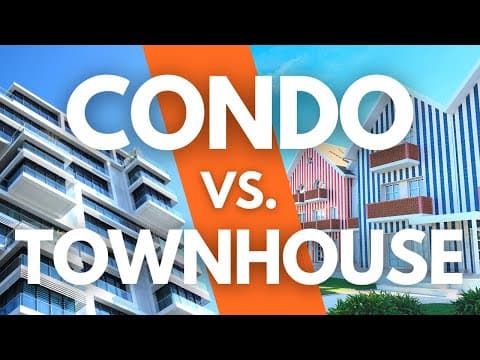
This article explores the differences between condos and townhouses, detailing their ownership structures, pros and cons, and helping readers make informed decisions about which type of property suits their needs.
When considering a new home, many potential buyers find themselves weighing the options between condos and townhouses. Each type of property has its unique characteristics, advantages, and disadvantages. In this article, we will delve into the differences between condos and townhouses, helping you make an informed decision about which option is best for you.
A condo, short for condominium, is often thought of as a unit within a high-rise building. While this is a common perception, it is important to note that a condo can be any type of property. The defining feature of a condo is not the physical structure but rather the type of ownership.
Owning a condo means you own the space within the four walls of your unit, but you do not own the land, exterior walls, roof, or any common areas. This type of ownership is typically governed by a homeowners association (HOA), which sets rules and manages the community.
Less Maintenance: One of the biggest advantages of condo living is the reduced responsibility for exterior maintenance. Tasks such as lawn care, painting, and roof repairs are handled by the HOA, allowing residents to enjoy their homes without the burden of upkeep.
Amenities: Many condo communities offer shared amenities such as pools, gyms, and clubhouses. These facilities can enhance your living experience and provide opportunities for social interaction with neighbors.
Security: Condos often feature enhanced security measures, such as gated entrances, doormen, or key-coded access, providing peace of mind for residents.
Monthly Association Fees: Condo owners are required to pay monthly HOA fees, which cover maintenance and amenities. These fees can increase over time, although well-managed associations typically keep increases minimal.
Special Assessments: Occasionally, the HOA may initiate special assessments for large-scale repairs or improvements, which can lead to additional costs for residents.
Restrictions on Modifications: Since condo owners do not own the exterior of their units, any changes to the outside must be approved by the HOA, limiting personal expression and modifications.
In contrast to condos, a townhouse is a type of property characterized by its design, typically featuring two stories and sharing exterior walls with neighboring units. Townhouses can have either condo ownership or fee simple ownership.
Spacious Layout: Townhouses often feature a more spacious and comfortable layout compared to condos, making them feel more like single-family homes.
Outdoor Space: Many townhouses come with small patios or yards, offering residents a private outdoor area to enjoy.
Proximity to Urban Areas: Townhouses are typically located near metro areas, providing easy access to work, shopping, and entertainment.
Monthly Association Fees: Like condos, townhouse residents must pay HOA fees, although these are generally lower for fee simple townhouses since owners are responsible for more of their property.
Privacy Concerns: Townhouses are often attached to neighboring units, which can lead to reduced privacy, especially in outdoor spaces.
In summary, the choice between a condo and a townhouse largely depends on your lifestyle preferences and financial situation. A condo offers a type of ownership that emphasizes convenience and reduced maintenance, while a townhouse provides a more traditional property experience with varying degrees of ownership. Understanding these differences can help you make the right decision for your next home.