President Donald Trump announced an indefinite extension of the ceasefire with Iran amid failed peace negotiations and ongoing US-Israel influence. The blockade on Iranian vessels remains, and the conflict risks escalating into a disastrous war with severe economic consequences. The article explores the political dynamics, media narratives, and the role of Israel in shaping US foreign policy and the potential fallout.
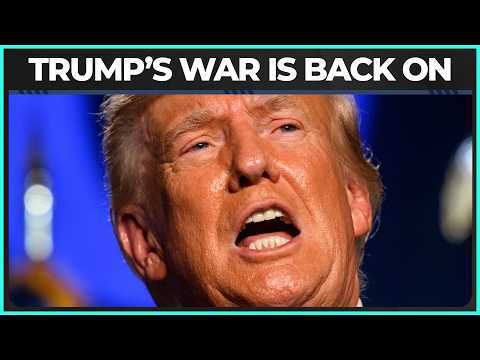
President Donald Trump recently announced that he will indefinitely extend the so-called ceasefire with Iran, just hours before the original ceasefire was set to expire. This announcement came after a day of conflicting statements from Trump, who has been known to change his claims frequently.
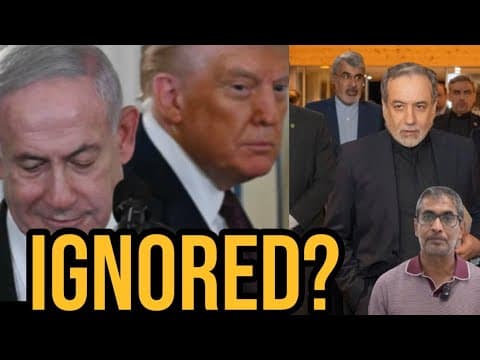
Earlier, Trump claimed that peace negotiations were underway, but in reality, no such negotiations took place. Key figures such as JD Vance and Iranian representatives did not show up for talks in Islamabad. The Iranians refused to engage in peace talks without concessions from the US, which Trump was unwilling to provide. Instead, Trump demanded that Iran make moves first, which they were not prepared to do.
Trump posted on Truth Social that the Iranian government is "seriously fractured," a claim that lacks clear evidence. He stated that, upon the request of Pakistani leaders, the US would hold off on attacking Iran until a unified proposal from Iranian leaders is submitted. However, there is no indication that Iran lacks a unified stance; rather, they have been clear that the US blockade on Iranian vessels is a major obstacle to negotiations.
A critical issue raised is the influence of Israel on US foreign policy. Trump's chief of staff, Susie Wiles, played a significant role in Benjamin Netanyahu's reelection campaign, raising concerns about Israeli influence over US decisions. Many politicians, including Marco Rubio and JD Vance, have strong ties to pro-Israel donors, suggesting that US policy is heavily influenced by Israeli interests.
This influence has resulted in the US maintaining the blockade on Iranian vessels, despite the ceasefire, effectively undermining any chance of peace. The media has largely ignored or downplayed this influence, often portraying Trump’s statements as truthful regarding the war, despite evidence to the contrary.
The ongoing blockade and conflict have severe economic implications. The Strait of Hormuz, a critical passage for 20% of the world's oil and liquefied natural gas, is effectively shut down. This disruption threatens to drive oil prices to $120, $150, or even $200 per barrel, potentially triggering a global economic depression.
Militarily, the US and Israel entered the conflict aware that missile interceptors were depleted, limiting their defensive capabilities. The US is deploying additional troops to the Middle East, but the number of combat troops is insufficient for a full-scale invasion of Iran. Iran has warned of traps laid for US forces, indicating that any military escalation could be disastrous.
Mainstream media has been criticized for spreading propaganda and failing to report the truth about the conflict and Israel's role. The narrative often portrays Israel as the victim and downplays the suffering of Palestinians and Lebanese civilians. Politicians from both parties have supported sending more weapons to Israel, further fueling the conflict.
The article argues that US politicians serve Israeli interests rather than American ones, with campaign contributions and political alliances influencing decisions. This has led to a betrayal of American interests and an increased risk of a prolonged and costly war.
The ongoing conflict and its consequences have led to calls for the US to withdraw from the region and reassess its alliance with Israel. The article emphasizes the need for American leaders to prioritize the interests of the American people over foreign influence.
There is a growing frustration with the war's human and economic toll, and a warning that continued support for Israel's aggressive policies will lead to further devastation. The article concludes with a call for accountability and a demand that the US government stop serving foreign interests at the expense of its own citizens.
President Trump's indefinite extension of the ceasefire with Iran masks a complex and troubling reality: failed negotiations, continued blockades, and deep Israeli influence over US policy. The conflict threatens to escalate into a disastrous war with severe economic and human costs. A critical examination of the political dynamics and media narratives reveals the urgent need for transparency, accountability, and a reevaluation of US foreign policy in the Middle East.