In a revealing discussion, Doomberg explores the intricate relationship between energy, immigration, and the global economy, emphasizing how energy scarcity fuels social tensions and economic disparities. The conversation highlights the importance of understanding energy dynamics in shaping modern life and the often-overlooked exploitation underlying cheap goods.
In a recent episode of Power Struggle, host Stuart engages with Doomberg, a prominent thought leader in energy and natural resources. The discussion delves into the complexities of the modern economy, particularly focusing on the critical role of energy and its implications for immigration, social tensions, and global trade.
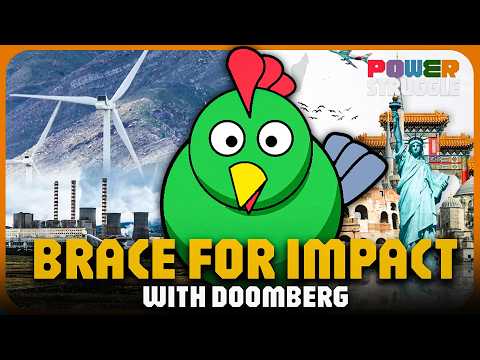
Doomberg began as a Substack newsletter nearly four years ago, filling a gap in the market for energy content that lacked industrial perspectives. The team behind Doomberg, with a background in consulting, recognized the need for a voice that could articulate the realities of the energy sector. The brand's quirky green chicken mascot was initially a marketing strategy to attract attention on social media, which has since evolved into a symbol of their unique approach to discussing serious topics with humor and insight.
Doomberg argues that energy is fundamentally linked to the quality of life and social stability. The separation of the upper and middle classes from the labor-intensive processes that provide energy leads to a lack of appreciation for its value. Energy, according to Doomberg, is life itself; it defines our standard of living and is essential for maintaining order in society. The discussion emphasizes that energy is often taken for granted, despite being a luxury that underpins modern conveniences.
Doomberg highlights a troubling reality: the exploitation of labor and environmental degradation that underlie the availability of cheap goods. The conversation touches on the concept of "labor laundering," where companies tout their sustainability while relying on unethical practices in their supply chains. This hypocrisy is particularly evident in the solar industry, where cheaper production methods in countries like China often involve environmental and labor abuses.
The discussion also connects immigration to energy issues, suggesting that an influx of people into a country with dwindling energy resources can exacerbate social tensions. Doomberg posits that energy scarcity leads to competition for resources, which can fuel conflict and unrest.
Doomberg challenges the notion of a seamless transition to renewable energy, arguing that all energy sources are additive rather than substitutive. The expectation that society can simply replace fossil fuels with greener alternatives overlooks the reality of increasing global energy consumption. The conversation stresses that as developing nations strive for higher living standards, their energy demands will continue to rise, leading to increased carbon emissions.
Looking ahead, Doomberg expresses skepticism about the viability of utility-scale batteries and emphasizes the potential of natural hydrogen as a game-changing energy source. The conversation underscores the importance of technological innovation in addressing energy challenges and the need for a balanced approach that considers both human needs and environmental impacts.
The dialogue with Doomberg reveals a complex interplay between energy, economy, and society. By understanding the underlying dynamics of energy production and consumption, we can better navigate the challenges of the modern economy. Doomberg's insights serve as a reminder that energy is not just a commodity; it is a fundamental driver of our lives and the global economy.