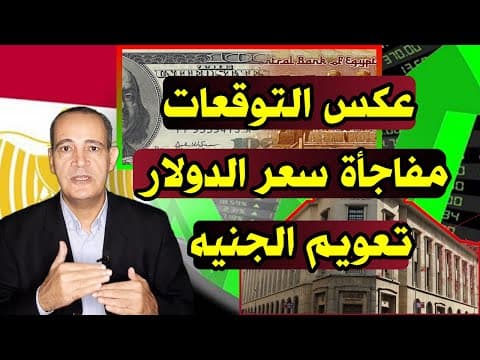
In this comprehensive analysis, economic expert Hassan Al-Sadi discusses the ongoing dollar crisis in Egypt, the implications of currency devaluation, and the role of the black market. He emphasizes the importance of holding dollars amidst economic instability and critiques the government's reliance on devaluation as a solution.
In a recent discussion, economic expert Dr. Hassan Al-Sadi addressed the pressing issue of the dollar crisis in Egypt. This blog post summarizes his insights on the reasons behind the rising dollar rates, the implications of currency devaluation, and the dynamics of the black market.
Dr. Al-Sadi opened the discussion by highlighting the alarming trend of the Egyptian pound's devaluation against the dollar. He noted that the dollar has seen a significant increase in value, with projections suggesting it could reach unprecedented levels. This situation raises critical questions about the government's economic strategies and the future of the Egyptian economy.
One of the key points raised by Dr. Al-Sadi is the government's repeated reliance on devaluation as a solution to economic challenges. He questioned why the authorities continue to pursue this path, suggesting that it reflects a lack of alternative strategies. The expert pointed out that the same economic group responsible for the decisions made in 2016 is still in power, indicating a reluctance to acknowledge past mistakes.
Dr. Al-Sadi emphasized the growing influence of the black market on the official dollar exchange rate. He explained that the black market often dictates the dollar's value, leading to discrepancies between official and unofficial rates. This situation creates a cycle where the government struggles to control the currency's value, ultimately harming the economy.
The economic turmoil has profound implications for ordinary citizens. Dr. Al-Sadi urged people to "stay in dollars" as a protective measure against the devaluation of the pound. He argued that holding dollars is a safer investment compared to the increasingly unstable local currency. The expert also criticized the government's failure to communicate effectively with the public regarding the impending devaluation and its consequences.
Dr. Al-Sadi discussed the broader economic policies that have led to the current crisis. He criticized the neoliberal approach that favors the wealthy and exacerbates income inequality. The policies have resulted in a widening gap between the rich and the poor, with the latter bearing the brunt of economic hardships.
The expert pointed out that businessmen play a crucial role in the current economic landscape. Many are profiting from the crisis by manipulating currency values and engaging in speculative practices. Dr. Al-Sadi highlighted the need for a more equitable economic system that prioritizes the welfare of all citizens, not just a select few.
In light of the ongoing crisis, Dr. Al-Sadi provided several recommendations:
Dr. Hassan Al-Sadi's insights shed light on the complexities of Egypt's dollar crisis and the urgent need for effective economic reforms. As the situation continues to evolve, it is crucial for citizens to stay informed and prepared for the challenges ahead. Holding dollars may provide a temporary solution, but a comprehensive approach to economic stability is necessary for the country's future prosperity.