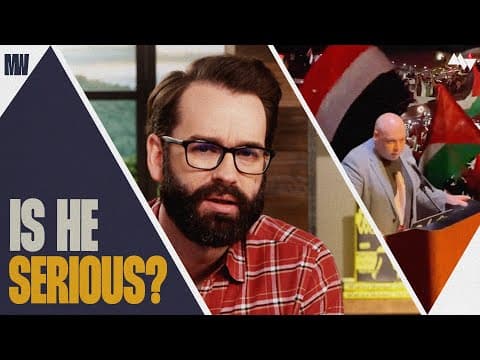
The recent Free Palestine rally in Dearborn, Michigan, showcased a mix of passionate slogans and controversial statements, highlighting a disconnect between certain activist narratives and reality. This blog post analyzes the rhetoric used at the rally, particularly the intertwining of Palestinian and Black Lives Matter movements, and critiques the claims made regarding white supremacy and Israeli flags.
A large Free Palestine rally took place in Dearborn, Michigan, recently, drawing attention for its passionate slogans and the rhetoric used by speakers. This blog post delves into the key moments from the rally, exploring the implications of the chants and the statements made by participants.
During the rally, familiar slogans echoed through the crowd, including chants such as "From the river to the sea, Palestine will be free" and "No justice, no peace." These phrases reflect a deep-seated frustration among the demonstrators, who argue that decades of ethnic cleansing and occupation have led to their current plight. One speaker emphasized that the American government’s characterization of recent events as unprovoked fails to acknowledge the historical context of Palestinian suffering.
The rally also showcased a notable intersection with the Black Lives Matter (BLM) movement. The speaker drew parallels between the struggles faced by Palestinians and those faced by Black Americans, stating, "When you go to a Black Lives Matter rally, you see Palestinian flags." This statement suggests a solidarity between the two movements, although it raises questions about the implications of such comparisons.
One of the more contentious claims made during the rally was the assertion that at white supremacy rallies, Israeli flags are prominently displayed. This statement was met with skepticism, as many observers noted the lack of evidence supporting such a claim. The speaker’s argument seemed to imply that any opposition to their views could be categorized as white supremacy, a definition that many would contest.
Critics of the rally's rhetoric argue that the claims made by the speaker reflect a broader disconnect from reality. The assertion that white supremacists are fans of Israel contradicts the historical animosity that exists between these groups. The speaker’s comments suggest a conflation of political conservatism with white supremacy, which many find problematic and misleading.
The Dearborn Free Palestine rally highlighted the complexities of contemporary activism and the narratives that often accompany it. While the frustrations expressed by the demonstrators are rooted in genuine grievances, the rhetoric used can sometimes obscure the realities of the situations being discussed. As discussions around these issues continue, it is crucial to approach them with a critical eye, ensuring that claims are grounded in reality rather than ideology.
In summary, the rally served as a platform for passionate expression but also revealed significant gaps in understanding and representation of the issues at hand. As activists strive for justice, it is essential to maintain clarity and accuracy in their messaging to foster constructive dialogue and understanding.