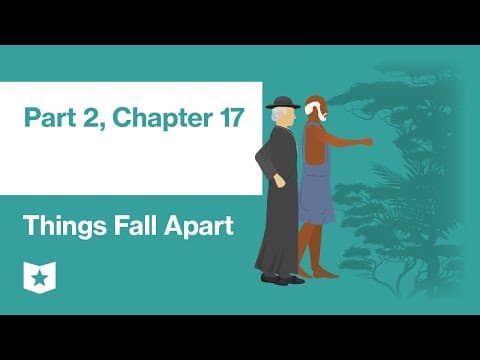
Chapter 17 of Chinua Achebe's Things Fall Apart delves into the impact of missionaries on Igbo society, highlighting the tensions between traditional beliefs and the new Christian faith, as well as the community's response to these changes.
In Chapter 17 of Chinua Achebe's seminal novel, Things Fall Apart, the narrative shifts to the arrival of missionaries in the Igbo villages. This chapter explores the profound effects of colonialism and the introduction of Christianity on traditional Igbo society. The tensions between the old ways and the new beliefs are palpable, as the community grapples with the changes brought about by the missionaries.
The chapter opens with the missionaries preaching in the marketplace, a central hub of community life. Their presence is met with mixed reactions from the villagers, who are wary of the new faith and its implications. The elders of the village, who hold significant influence, are particularly concerned about the missionaries' teachings, which they perceive as a threat to their traditional values and beliefs.
As the missionaries continue their efforts to convert the villagers, the chapter highlights the growing divide within the community. Some villagers are drawn to the promises of the new faith, while others remain steadfast in their adherence to ancestral beliefs. This conflict is emblematic of the broader struggle between colonial forces and indigenous cultures, a theme that resonates throughout the novel.
The elders play a crucial role in the community's response to the missionaries. They attempt to maintain the status quo and protect their cultural heritage from what they view as an invasive force. However, their authority is challenged as some villagers begin to embrace the new religion, leading to a fracturing of the community.
The chapter also delves into the personal transformations that occur as individuals convert to Christianity. The missionaries offer a sense of hope and a new way of life, which can be appealing to those disillusioned with traditional practices. This shift raises questions about identity, belonging, and the future of the Igbo people as they navigate these changes.
Chapter 17 of Things Fall Apart serves as a critical examination of the cultural upheaval experienced by the Igbo society in the face of colonialism and the introduction of Christianity. Achebe masterfully portrays the complexities of this transition, illustrating the struggles of individuals and communities as they confront the challenges of change. The chapter encapsulates the broader themes of the novel, making it a pivotal moment in the narrative that underscores the enduring impact of colonial forces on indigenous cultures.