This blog post delves into the creation of classic house and rave stabs, focusing on the concept of formant shifting and its significance in sound design. It discusses the origins of popular stabs, the role of samples, and practical techniques for crafting unique sounds.
In the world of dance music, stabs play a crucial role in shaping the sound and energy of tracks. From the iconic riffs that have defined genres to the quirky synth sounds that add character, understanding how these stabs are created can enhance your sound design skills. In this post, we will explore two well-known stabs, their origins, and the fascinating concept of formant shifting that underpins their sound.
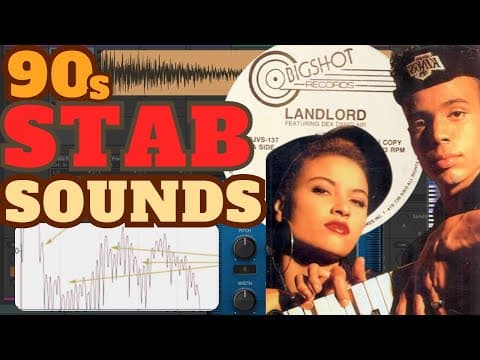
You may recognize the first stab from the track by Two Unlimited, a song that has resonated in stadiums and dance floors alike. This particular sound, often described as a quirky synth stab, has an interesting backstory. Contrary to what many might think, the producers of Two Unlimited did not create this sound from scratch. Instead, they sourced it from a sample CD titled "250 Disco Jingles," which was primarily aimed at radio DJs looking to add flair to their shows.
The sample CD contains a variety of funky disco jingles, and one of these samples became the foundation for the Two Unlimited riff. By simply loading this sample into a sampler, the producers were able to create the recognizable sound that many associate with the track. This highlights the importance of sampling in music production, especially in genres like house and rave.
To fully appreciate the sound design behind these stabs, we need to delve into the concept of formants. Formants are frequency clusters that remain consistent regardless of the note being played or sung. This characteristic is particularly relevant when working with acoustic instruments or vocal samples.
When you pitch a sound up or down, all frequencies shift accordingly, which can lead to unnatural results, especially with vocals. For instance, if you pitch a vocal sample up by seven semitones, it may sound like a chipmunk, while pitching it down could produce a monstrous effect. However, a singer can easily perform at a higher pitch while maintaining their vocal character due to the unique shape of their throat and vocal cords, which create specific overtone structures.
In digital audio workstations (DAWs) like Ableton Live, there are tools such as warp modes that help maintain formants when pitching sounds. The "Complex Pro" warp mode includes a formant slider that can restore frequency bands, allowing for more natural-sounding results when altering pitch. This is crucial for preserving the character of vocals and instruments alike.
When designing chord stabs, the principle of formant shifting can be employed to create unique textures and characters. For example, recording a grand piano at a low pitch and then pitching it up can yield interesting results that differ significantly from the original sound. This technique allows producers to layer different instruments and manipulate their pitches to achieve a distinctive sound.
Another effective method for creating stabs is using instruments with inherent quirks, such as a clav sound from an FM synthesizer. The DX7 synthesizer, for instance, offers various presets that can be manipulated to produce unique stabs. By recording these sounds at different pitches and applying processing techniques like normalization, reverb, and delay, producers can craft compelling chord stabs that stand out in a mix.
The art of creating classic house and rave stabs is deeply rooted in understanding sound design principles, particularly formant shifting. By exploring the origins of iconic stabs and applying techniques that manipulate pitch while preserving character, producers can develop their unique sound. For those interested in experimenting with chord stabs, sample packs are available that provide a foundation for creativity.
If you have any questions or want to share your experiences with sound design, feel free to leave a comment. Happy producing!