AI-generated music cannot be copyrighted on its own, but by creatively editing, rearranging, and adding original elements, musicians can protect their AI-assisted works. This article explores three levels of protection—from basic derivative works to expert hybrid productions—offering practical advice on how to safeguard your AI music rights effectively.
The rise of AI in music creation has sparked many questions about copyright and ownership. Can you copyright AI-generated music? What rights do you have over music created with AI tools? This article delves into these questions and provides a comprehensive guide on how to protect your AI-assisted music.
Music creation traditionally involves countless hours of learning, practice, and emotional investment. Musicians pour their blood, sweat, and tears into mastering instruments, writing, arranging, and producing music. In contrast, some newer creators might generate music by simply inputting a few words and clicking "generate" multiple times. However, this process does not compare to the depth of experience and soul embedded in traditional music creation.
If you haven't paid your musical dues, your claim to AI-generated music might be vulnerable when challenged by seasoned musicians.
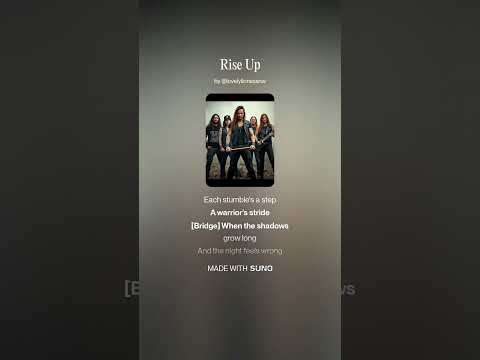
Platforms like Suno allow users to generate music and use it commercially, including earning royalties. However, if someone else takes your AI-generated song and re-uploads it as their own, your options for recourse are limited. This differs from traditional copyrighted music, where unauthorized use can lead to takedowns or lawsuits.
Protection can be understood in three levels:
Metaphor: Imagine AI-generated music as a slab of wood. You cannot claim ownership of the slab itself. But if you cut it, rearrange the pieces, and add your own design, you can claim copyright on your unique creation.
Important: Minor changes like slight EQ or light effects are insufficient. The changes must be substantial, such as altering arrangements or rhythm.
Regarding Lyrics:
AI-generated music presents exciting opportunities but also legal challenges regarding copyright. While AI content alone cannot be copyrighted, musicians can protect their work by creatively editing, adding original elements, and registering derivative works.
By understanding and applying the three levels of protection—basic derivative works, enhanced layering, and expert hybrid production—you can safeguard your AI music rights effectively.
If you found this guide helpful, consider exploring how to copyright songs with the US Copyright Office for more detailed procedures. Protecting your music is essential in this evolving landscape where AI and human creativity intersect.
Feel free to share your thoughts and experiences with AI music creation and copyright in the comments. The conversation is just beginning, and your insights are valuable.
Thank you for reading.