Dr. Dre's album The Chronic 2001 marked a pivotal moment in hip-hop, showcasing a new production formula that combined live instrumentation with innovative beats. After leaving Death Row Records, Dre assembled a talented team, including Scott Storch and Mike Elzando, to craft a unique sound that set new standards. The album's perfectionism and creative process influenced a generation of artists and defined a new era in hip-hop.
The Chronic 2001 is widely regarded as one of the most important hip-hop albums, inspiring a new era in hip-hop production. However, the story behind its creation is complex and fascinating. This article explores how Dr. Dre produced The Chronic 2001, the challenges he faced, and the innovative techniques he used to craft this iconic album.
In 1996, Dr. Dre left Death Row Records following a dispute with Suge Knight. After his departure, Dre founded Aftermath Entertainment and released a compilation album that was not well received. This initial setback led many to speculate that Dre's career was declining.
"We did at that time the Aftermath record, the first record, it went platinum or what have you, but it wasn't my best foot forward."
Despite the criticism and rumors of falling off, Dre used this negativity as motivation to create a powerful comeback album.
"I have to listen to the criticism, too. That really motivates me. That's where I get my motivation from. Those people out there talking that nonsense straight up."
The Chronic 2001 was conceived as Dre's "shut the up" album, a definitive statement to silence doubters.
Death Row Records, led by Suge Knight, was closely monitoring Dre's moves and planned to undermine his success. Originally, Dre intended to name his album The Chronic 2000. In response, Death Row released a parody album titled The Chronic 2000 to confuse the market.
Dre and his team decided to one-up Death Row by renaming the album The Chronic 2001, a move suggested by Jimmy Iovine, which served as a subtle jab at Death Row's attempt.
The Chronic 2001 was not just an album but a formula and system that Dre would use to produce numerous hits in the future. Dre aimed to develop a completely new sound that stood apart from anything else at the time.
Having learned from his Death Row days, Dre knew that assembling a superstar team was essential. He recruited talented up-and-coming producers such as Melman, Scott Storch, and Mike Elzando, each bringing unique musical skills.
Unlike producers like Puff Daddy, who heavily used samples, Dre wanted original music created from their own creativity.
"How can we advance if everything that you do is from another brain? Most of our music came from our brain. Just like this beat playing in the background is all original. This came from our brain and it's real hip-hop."
Scott Storch: Known for his memorable and percussive piano playing, Storch helped Dre create catchy hooks.
"I wasn't really interested in theory. I play the piano like a drum almost."
Mike Elzando: Crafted signature basslines on many songs, learning the nuances of perfect bass crafting from Dre.
"About 80% of those basslines I wrote."
Mike Alzando: A legendary bassist who enhanced the bass sound, making it richer and more dynamic.
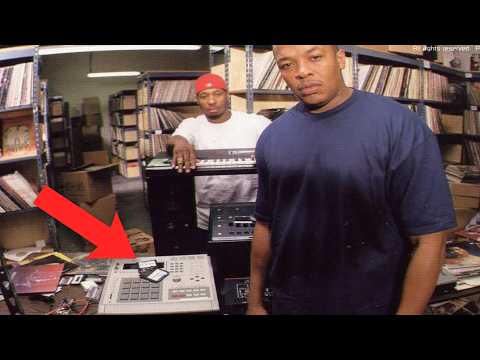
Dre's production process often began with programming a simple drum loop on his MPC. Then, live musicians would play the entire song live over the loop, blending human feel with programmed beats.
"Always love mixing live performance with sequence elements. You get this amazing feel and groove."
Unlike typical looping methods, Dre insisted musicians play the song from start to finish every time, capturing the full dynamic range and flow.
Dre brought in his newly signed artist Eminem to help write many of the songs. He also used Eminem's first album as a testing ground for the new musicians and sound, refining the formula that would define The Chronic 2001.
Dre and his team spent years in the studio, creating over 90 tracks but selecting only 22 for the final album. This demonstrated Dre's perfectionism and high standards.
"We went through maybe like 90 joints before we picked out the songs that went on this album. I wanted this one to be just brilliant."
Dre's ability to identify the hottest material and articulate his vision pushed his team to deliver their best work.
The album's hit single, "Forgot About Dre," was created almost at the last moment. In the studio, Dre programmed a kick and snare pattern while eating a sandwich nearby. Scott Storch began noodling on the piano, playing a catchy melody over the beat. Dre immediately recognized its potential.
"He poked his head in and said, 'That's it.' By the end of the day, the song was shipped off to Jay-Z to pen the rest."
This track marked a major comeback for Dre and set the tone for Aftermath Records' future successes.
The Chronic 2001 became a career-defining record for Dr. Dre and influenced countless artists across genres. Modern urban artists like Drake, Nicki Minaj, and even The Weeknd have sounds that derive from the production style Dre established on this album.
The album's use of 808 beats, catchy piano lines, and the blend of hip-hop with pop elements created a blueprint for contemporary music.
"You wouldn't have the Lil Waynes and the Drakes without this album. It's such an amazing record."
Dr. Dre's The Chronic 2001 was more than just an album; it was a revolution in hip-hop production. Through assembling a talented team, insisting on originality, blending live instrumentation with sequencing, and maintaining perfectionist standards, Dre crafted a timeless record that continues to influence music today.
The album stands as a testament to Dre's resilience, creativity, and vision, marking a new era in hip-hop and solidifying his legacy as one of the greatest producers in music history.