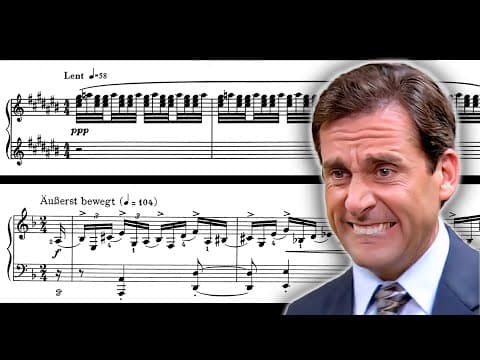
This blog post delves into the complexities of difficult piano openings, highlighting the struggles of famous composers like Rachmaninoff and Beethoven. It discusses the technical challenges of these pieces, the emotional aspects of performance, and shares a personal story of overcoming stage fright. Readers will gain insights into the artistry of piano playing and the importance of emotional control in performance.
Playing the piano is a journey filled with both triumphs and challenges, especially when it comes to starting a performance. After over 25 years of experience and nearly 1000 public performances, I still find the moment before I begin playing to be the most daunting. If you share this struggle, know that you are not alone. Even the great Sergei Rachmaninoff, one of the most celebrated pianists in history, faced similar stage fright. This blog post will explore some of the hardest openings in piano history, the reasons behind their difficulty, and a personal story that illustrates the emotional challenges of performing.
The silence of the concert hall before a performance can be overwhelming. Rachmaninoff, despite his immense talent, often felt the pressure of starting a concert. To ease his own anxiety, he composed pieces with simpler beginnings, allowing himself a smoother entry into the music. In contrast, some composers, who may not have experienced the same stage fright, wrote pieces with challenging openings that can be daunting for performers.
One of the first pieces that comes to mind is known for its difficult coda, but its opening bars are even more challenging. The second note in this piece must be played with perfect timing and dynamics. If played too late, the energy from the first note dissipates; too early, and it sounds rushed. The same applies to volume—playing too loud creates an ugly accent, while playing too softly loses the energy entirely. Each note must feel like a continuous decrescendo, requiring impeccable finger control and synchronization between both hands.
Beethoven's last piano sonata, Op. 111, presents its own set of challenges. The opening features a difficult jump in the left hand that must be executed loudly and quickly. While technically possible to play the first octave with the right hand, doing so diminishes the visual impact on the audience. Embracing the nerves that come with this jump can enhance the dramatic effect of the performance. The precision required in following Beethoven's detailed markings adds another layer of complexity, demanding both technical skill and emotional expression.
Another Beethoven piece showcases the difficulty of playing softly while preparing for an orchestral entrance. The opening must maintain a delicate balance; too soft, and the orchestra overshadows it; too loud, and the atmosphere is lost. The voicing must be flawless, with the top note standing out as a melody amidst the chords. This requires total control over dynamics and articulation, making it a fine line to walk.
In contrast, Rachmaninoff's Second Piano Concerto features an easier beginning. The opening chords do not require the same level of dynamic control since they are meant to build up to the orchestra's entrance. This allows the pianist to warm up while the orchestra takes the lead, reflecting Rachmaninoff's own experiences with stage fright.
The hardest opening I have ever played comes from Schumann's "Kreisleriana." Preparing for my master's recital, I practiced extensively, even under unusual circumstances, to ensure I could play the opening flawlessly. However, on the day of the concert, I struggled immensely, needing to restart multiple times. This experience taught me a valuable lesson about emotional control in performance.
The emotional intensity of a performance can significantly impact execution. In my case, I poured so much energy into the opening notes that my fingers could not keep up. This overwhelming emotion, rather than technical skill, was what led to my mistakes. The ability to manage emotions while performing is crucial and often overlooked in technical practice.
The journey of mastering difficult piano openings is not just about technical proficiency; it also involves understanding the emotional landscape of performance. Each piece presents unique challenges that require both skill and emotional intelligence. As pianists, we must learn to balance our technical abilities with the emotional depth that music demands. If you find yourself struggling with stage fright or difficult openings, remember that even the greatest composers faced similar challenges. Embrace the journey, and let your passion for music guide you through the complexities of performance.