La Regenta, a seminal work of Spanish literature by Leopoldo Alas Clarín, explores the life of Ana Ozores in the fictional city of Vetusta, reflecting the social realities of the late 19th century through a complex love triangle and critical observations of society.
La Regenta, written by Leopoldo Alas Clarín, is often regarded as one of the most significant works of Spanish literature, embodying the essence of realism and naturalism. This novel not only narrates the life of its protagonist, Ana Ozores, but also serves as a critique of the social conditions of the late 19th century in Spain. In this post, we will provide a general summary of the novel, a chapter-by-chapter breakdown, and address common questions surrounding this literary classic.
The story unfolds in the fictional city of Vetusta, which symbolizes Oviedo, the capital of Asturias. Vetusta is depicted as a place rife with ignorance and cultural stagnation, a backdrop that Clarín uses to critique the society of his time. Ana Ozores, the protagonist, belongs to the lower nobility and is married to the much older Víctor Quintanar, a man with whom she shares a friendship rather than a romantic bond. Feeling isolated and misunderstood, Ana seeks solace in the church, where she confesses to Father Cayetano. However, her confessor is soon replaced by the younger priest, Fermín, who develops romantic feelings for her.
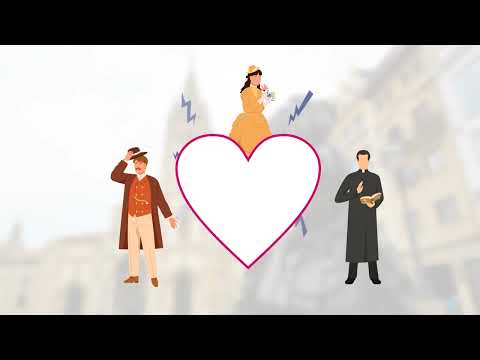
As the narrative progresses, Ana finds herself entangled in a love triangle involving Fermín and Don Álvaro, a man who has long been in love with her. This emotional turmoil leads to a series of dramatic events, including a duel between Don Víctor and Don Álvaro, resulting in Don Víctor's death. Ana's subsequent illness and her interactions with Fermín and Don Álvaro further complicate her situation, culminating in a tragic conclusion that reflects the societal constraints placed upon women.
The first chapter introduces Vetusta and its inhabitants, setting the stage for the events to come. Clarín describes the city's cathedral and introduces key characters, including Fermín, the new parish priest.
Ana Ozores makes her first appearance as she goes to confess to Fermín. Rumors begin to circulate about her relationship with the priest, although she is unable to complete her confession.
This chapter delves deeper into Ana's character, revealing her past and her current state of mind. We learn about her childhood and the emotional scars that shape her identity.
Ana's lineage is explored, detailing her aristocratic father and her mother's humble origins. The chapter highlights the challenges Ana faced growing up, including mistreatment by her relatives.
Following her father's death, Ana is taken in by her aunts, who impose strict religious and social expectations on her, stifling her creative aspirations.
Clarín introduces the casino of Vetusta, a social hub for the local nobility, where discussions about the priest and Ana's situation take place.
Don Álvaro is characterized as a charming and cultured man who expresses his interest in Ana, acknowledging the difficulties of winning her affection.
The social dynamics of Vetusta are further explored at the Marquesa's house, where appearances often mask underlying tensions and desires.
Ana's longing for freedom is depicted as she reflects on her life while observing the carefree birds, symbolizing her own entrapment.
Ana's fear of encountering Don Álvaro leads her to decline a theater outing with her husband, prompting her to confront her unfulfilled desires.
Fermín grapples with the gossip surrounding him and Ana, while he receives a letter from her requesting confession, indicating her internal conflict.
Fermín's role as a mediator in the community is highlighted, showcasing the hypocrisy of the society he serves.
A tense dinner at the Marquesa's house reveals the rivalry between Fermín and Don Álvaro, with Ana caught in the middle.
Fermín's jealousy leads him to follow Ana, showcasing his obsession and the lengths he will go to protect her.
Fermín's relationship with his mother is explored, revealing the controlling nature of Doña Paula and its impact on his life choices.
The subsequent chapters detail the escalating tensions between the three main characters, culminating in the tragic duel between Don Víctor and Don Álvaro, which results in Don Víctor's death. Ana's emotional turmoil and societal pressures lead her to question her faith and desires, ultimately resulting in her rejection by both men and her community.
La Regenta stands as a cornerstone of realist literature, offering profound insights into the human condition and societal norms of the time. Clarín's empathetic portrayal of Ana Ozores highlights the struggles faced by women in a patriarchal society, making the novel relevant even today. The narrative's exploration of themes such as hypocrisy, desire, and the quest for identity resonates with readers across generations.
Leopoldo Alas Clarín's La Regenta is not just a story of love and betrayal; it is a critical examination of the societal constraints that shape individual lives. Through its rich character development and intricate plot, the novel invites readers to reflect on their own experiences and the societal norms that govern them. As we continue to engage with this literary masterpiece, we gain a deeper understanding of the complexities of human nature and the enduring relevance of Clarín's observations.