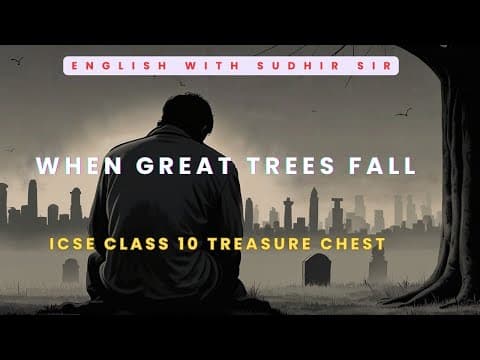
Maya Angelou's poem 'When Great Trees Fall' reflects on the profound impact of losing significant individuals, using nature metaphors to convey grief and the eventual acceptance of loss. The poem emphasizes the enduring legacy of those who have passed and the transformative power of their influence on our lives.
Maya Angelou, a celebrated poet, memoirist, civil rights activist, and scholar, is renowned for her impactful writing that often reflects her personal experiences and the struggles she championed. One of her poignant works, "When Great Trees Fall," delves into the theme of loss, particularly the grief associated with the death of significant individuals. This poem, written in 1987 after the death of her friend and fellow activist James Baldwin, uses nature imagery to explore the emotional turmoil that follows such a loss.
Before diving into the poem, it is essential to understand Angelou's unique autobiographical writing style, which incorporates elements from her life and activism. Her poetry often addresses themes of race, gender, and identity, reflecting her commitment to social justice and the rights of African Americans and women. This context enriches the reading of "When Great Trees Fall," as it is not merely a reflection on personal loss but also a commentary on the broader implications of losing influential figures.
The poem consists of five stanzas, each varying in length, and employs free verse, which gives it a natural, conversational tone. The central metaphor compares the death of great individuals to the falling of great trees, suggesting that both events create significant ripples in the world around them.
The opening stanza introduces the metaphor of great trees falling, indicating that their demise causes even the strongest elements of nature—rocks and lions—to tremble and seek safety. This imagery conveys the profound effect that the loss of a great person has on the world, suggesting that their absence creates a vacuum felt by all.
In the second stanza, Angelou reflects on how smaller beings in the ecosystem react to the loss of great trees. The phrase "small things recoil into silence" illustrates how the impact of such a loss can leave individuals feeling numb and unable to react. This silence symbolizes the overwhelming shock that accompanies grief, where even the most basic functions of life seem disrupted.
As the poem progresses, Angelou explores the emotional aftermath of loss. The air becomes "light, rare, sterile," indicating a sense of emptiness and detachment. The memories of the deceased become sharper, highlighting regrets and unspoken words. This stanza emphasizes the painful clarity that comes with realizing the permanence of death and the missed opportunities to express love and appreciation.
In the fourth stanza, the poet discusses how the death of great souls disrupts our sense of reality. The absence of these influential figures creates a sense of loss that reshapes our understanding of the world. Angelou uses the imagery of shrinking and withering to convey the emotional vacuum left behind, suggesting that without these guiding lights, we feel lost and diminished.
The final stanza offers a glimmer of hope, suggesting that while grief is profound, it eventually gives way to peace. Angelou acknowledges that healing is a gradual process, filled with ups and downs. The soothing electric vibrations symbolize the comforting memories of those who have passed, reminding us that their influence continues to inspire us. The refrain "they existed" serves as a powerful reminder of the enduring legacy left by those we have lost.
Maya Angelou's "When Great Trees Fall" is a profound meditation on loss, grief, and the enduring impact of significant individuals in our lives. Through rich imagery and metaphor, Angelou captures the emotional journey from despair to acceptance, emphasizing the importance of cherishing the memories and legacies of those who have shaped us. The poem serves as a reminder that while the pain of loss is inevitable, the influence of great souls continues to inspire us to be better, honoring their existence through our actions and lives.