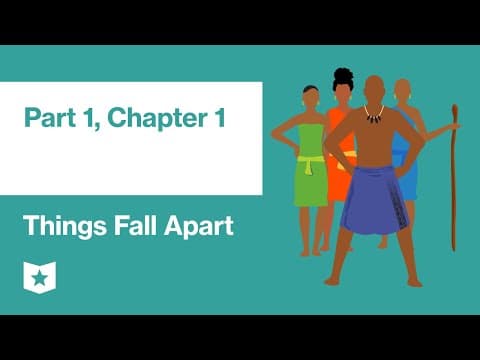
Exploring Masculinity and Identity in Chinua Achebe's Things Fall Apart: Part 1, Chapter 1
In the first chapter of Chinua Achebe's Things Fall Apart, we are introduced to Okonkwo, a prominent figure in the Igbo community of Nigeria, whose life is shaped by his father's failures and his own quest for masculinity and success, set against the backdrop of a culture untouched by colonial influences.
Chinua Achebe's 1958 novel Things Fall Apart is a profound exploration of pre-colonial African society, particularly focusing on the Igbo culture in Nigeria. The story is set in the late 1890s in the fictional village of Umuofia, and it opens with a vivid introduction to the main character, Okonkwo.
Okonkwo is a member of the Igbo tribe, an ethnic group residing in nine villages along the Lower Niger River in southern Nigeria. He is renowned for his wrestling prowess, having gained fame as a teenager when he defeated a champion who had remained undefeated for seven years. This victory not only marked a significant moment in his life but also established his reputation as a fierce and formidable individual within his community.
Over the years, Okonkwo's fame has only grown, likened to a bushfire in its intensity. He is celebrated not only as a successful farmer but also as a war hero, holding multiple civic titles and having three wives. His stature in the clan is immense, and he carries himself with a confidence that makes it seem as though he walks on springs.
The Influence of Okonkwo's Father
In stark contrast to Okonkwo's achievements stands his father, Unoka. Unoka was a gifted flute player and a lover of wine, known for his storytelling and conversational skills, which were highly valued in Igbo culture. However, he was also seen as a failure in the practical aspects of life. Unoka's laziness and inability to provide for his family left them in debt, and he had no intention of repaying his creditors. This legacy of failure deeply shamed Okonkwo and significantly influenced his identity.
Themes of Masculinity and Identity
The opening chapter of Things Fall Apart immerses readers in the rich culture of the Igbo people, a society that remains largely untouched by the forces of Christianity and colonialism at this point in the narrative. Through Okonkwo, Achebe introduces the theme of masculine identity, which is central to the novel.
Okonkwo's rejection of his father's lifestyle and values is a driving force in his life. He strives to embody the ideal of masculinity, gaining a near-mythic reputation as a heroic figure. However, this quest for strength and success comes with its own set of challenges. Okonkwo is characterized by a quick temper and a propensity for violence, particularly towards those he perceives as weak or unsuccessful—traits that he associates with his father's failures.
Despite Unoka's death a decade prior, his influence looms large over Okonkwo's life. The shame associated with his father's debts and the fear of being perceived as weak shape Okonkwo's expectations of manhood and his own self-identity. This internal conflict sets the stage for the unfolding drama of the novel, as Okonkwo grapples with the societal pressures of masculinity and the legacy of his father's shortcomings.