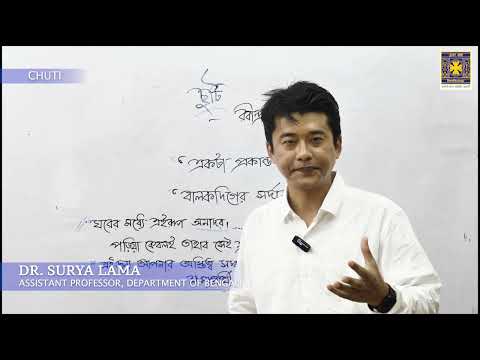
This blog post delves into Rabindranath Tagore's short story 'Chutti', exploring its themes of rural versus urban life, childhood experiences, and the essence of freedom. The narrative contrasts the simplicity of village life with the complexities of city living, highlighting the protagonist's journey and the societal observations made by Tagore.
Rabindranath Tagore's short story "Chutti" was first published in 1820 in the magazine Sadhana. This narrative reflects the author's keen observations of life, particularly the contrasts between rural and urban experiences. In this blog post, we will explore the themes, characters, and societal implications presented in the story.
"Chutti" is a poignant tale that captures the essence of childhood and the longing for freedom. The story revolves around a young boy named Phatik, who is caught between the simplicity of village life and the allure of the city. Tagore's narrative is rich with descriptions and insights that reveal the complexities of both environments.
The story begins by establishing the stark differences between rural and urban settings. Tagore uses Phatik's experiences to illustrate the carefree nature of village life, where children engage in simple pleasures such as playing by the river. In contrast, the city is depicted as a bustling place filled with challenges and responsibilities.
In the village, Phatik enjoys a life filled with innocence and joy. The narrative describes how children play freely, exploring nature and forming bonds with their surroundings. Tagore emphasizes the beauty of rural life, where the pace is slower, and the community is tightly knit. The protagonist's interactions with his family and friends highlight the warmth and simplicity of village existence.
As Phatik transitions to the city, the story takes a different turn. The urban environment is portrayed as overwhelming and chaotic. Tagore contrasts the carefree village life with the structured and often harsh realities of city living. Phatik's experiences in the city reveal the pressures and expectations that come with urban life, leading to a sense of alienation and confusion.
Phatik, the central character, embodies the struggle between the two worlds. His journey reflects the universal theme of childhood innocence clashing with the complexities of adulthood. As he navigates through various experiences, Phatik's character evolves, showcasing his resilience and adaptability.
At the beginning of the story, Phatik is portrayed as a curious and adventurous boy. His interactions with nature and his friends illustrate his innocence and desire for freedom. However, as he faces the realities of city life, his character begins to change, highlighting the loss of innocence that often accompanies growing up.
Phatik's relationship with his family plays a crucial role in shaping his experiences. The story delves into the dynamics of familial expectations and the impact they have on a child's development. Tagore skillfully portrays the tension between Phatik's desires and the responsibilities imposed by his family, particularly in the context of urban life.
One of the central themes of "Chutti" is the concept of freedom. The title itself translates to "holiday" or "leave," symbolizing a break from the constraints of daily life. Tagore explores the idea of liberation, both in a physical sense and in terms of mental and emotional freedom. Phatik's longing for a break from the pressures of city life resonates with readers, emphasizing the importance of finding moments of respite.
Tagore masterfully contrasts the simplicity of village life with the complexities of urban existence. Through Phatik's journey, readers are invited to reflect on the values and challenges associated with both environments. The story serves as a commentary on the societal changes occurring during Tagore's time, as more people migrated to cities in search of better opportunities.
The narrative also delves into the theme of childhood and the inevitable transition into adulthood. Phatik's experiences serve as a metaphor for the journey from innocence to experience, highlighting the challenges that come with growing up. Tagore captures the bittersweet nature of this transition, reminding readers of the joys and sorrows of childhood.
Rabindranath Tagore's "Chutti" is a profound exploration of life, freedom, and the contrasts between rural and urban experiences. Through the character of Phatik, Tagore invites readers to reflect on their own journeys and the societal implications of their choices. The story remains relevant today, as it addresses universal themes of childhood, freedom, and the complexities of modern life.
In a world that often prioritizes urban living, Tagore's narrative serves as a reminder of the beauty and simplicity found in nature and community, urging us to cherish our roots while navigating the complexities of contemporary existence.