Raja Rao's 'The Cow of the Barricades' intricately weaves themes of tradition, spirituality, and resistance against oppression, showcasing the significance of cultural practices and the role of the individual in societal change.
Raja Rao's story, "The Cow of the Barricades," presents a rich tapestry of cultural and spiritual themes, set against the backdrop of societal challenges. The narrative revolves around the character of Gauri, who embodies the essence of tradition and spirituality, and her interactions with the community and the master figure.
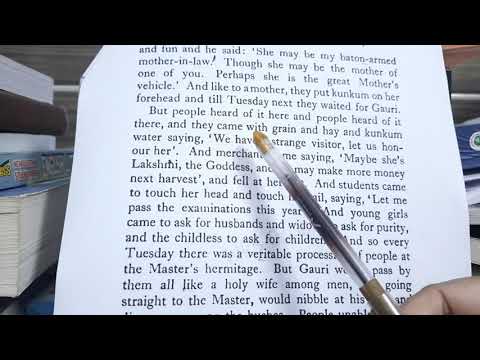
The story unfolds in a village where barricades symbolize obstacles imposed by authority, particularly the police. These barricades serve to control and restrict the movement of the villagers, reflecting the broader theme of oppression. Gauri, a central character, is depicted as a simple yet profound figure who visits the master every Tuesday evening before sunset. Her presence is marked by a ritualistic offering of grains, which she accepts with humility, rejecting any offerings that do not align with her values.
Gauri's weekly visits to the master are not merely social; they are steeped in spiritual significance. She engages in a ritual of offering, which highlights her connection to the divine and her commitment to purity. The villagers, including the master’s disciples, view her as a strange yet revered figure, embodying the spirit of devotion and sacrifice.
The cow in the story serves as a powerful symbol of Indian culture and spirituality. It represents not only sustenance but also the sacredness of life and the interconnectedness of all beings. Gauri’s relationship with the cow reflects her deep respect for nature and the traditions that bind the community together.
The master figure in the story is portrayed as a wise and compassionate leader, guiding the villagers through their struggles. His interactions with Gauri and the community reveal his understanding of the deeper spiritual truths that govern their lives. He encourages the villagers to embrace their traditions and resist the oppressive forces that seek to divide them.
As the story progresses, the villagers face increasing oppression from the authorities, represented by the soldiers and barricades. The narrative captures the tension between the villagers' desire for freedom and the constraints imposed upon them. The master’s teachings inspire the villagers to unite and resist, emphasizing the importance of collective action in the face of adversity.
Rao’s narrative underscores the significance of tradition as a source of strength and resilience. The villagers’ adherence to their customs and rituals serves as a form of resistance against the encroaching forces of modernity and oppression. Gauri’s unwavering commitment to her spiritual practices exemplifies the power of faith and tradition in navigating life’s challenges.
Raja Rao's "The Cow of the Barricades" is a profound exploration of the interplay between tradition, spirituality, and resistance. Through the character of Gauri and the symbolic presence of the cow, the story highlights the importance of cultural practices in fostering community and resilience. As the villagers confront the barriers imposed by authority, they are reminded of the strength that lies in their shared traditions and the spiritual bonds that unite them.