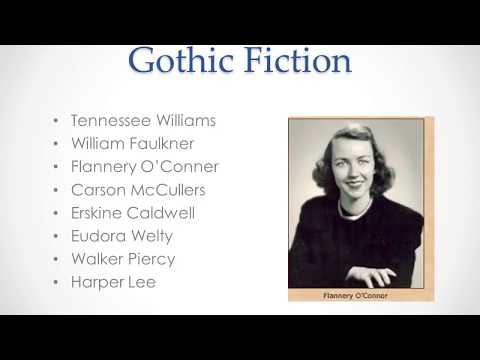
Southern Gothic literature is a unique genre that critiques societal norms and explores the complexities of Southern life through themes of decay, moral blindness, and the rejection of social expectations. Key authors include Tennessee Williams and William Faulkner, whose works reflect the tensions between tradition and modernity in the post-Civil War South.
Southern Gothic literature is a distinctive literary tradition that emerged in the Southern United States during the early 20th century. This genre is deeply rooted in the Gothic style, which gained popularity in European literature in the previous century. Notable figures in Southern Gothic literature include Tennessee Williams and William Faulkner, both of whom are significant contributors to this genre.
The term "Southern Gothic" refers to a style of writing that incorporates elements of the Gothic tradition, such as the macabre, the grotesque, and the supernatural. This genre often explores themes of decay and moral ambiguity, reflecting the complexities of Southern society. Writers like Edgar Allan Poe, often regarded as the king of Gothic literature in the United States, laid the groundwork for this genre.
Some prominent authors associated with Southern Gothic literature include:
These writers utilize the conventions of Gothic literature not only to build suspense but also to critique the societal norms of their time.
One of the central themes in Southern Gothic literature is the moral blindness prevalent in Southern society. This theme is exemplified by the stark racial inequalities and social injustices that were rampant in the South. For instance, the idea that a young Black man could be lynched for merely whistling at a white woman, while a wealthy white woman could escape consequences for harming a servant, highlights the deeply ingrained racial biases that shaped moral perceptions.
Southern Gothic writers often reflect on the decay of Southern society, particularly in the aftermath of the Civil War. The South, once reliant on slave labor, faced significant economic and social upheaval following the war's end in 1865. This transition from slavery to sharecropping created a new form of economic dependency that mirrored the old system, leading to a sense of decay and loss.
Another significant aspect of Southern Gothic literature is the exploration of extreme antisocial behaviors as reactions against the rigid social codes of conduct. The authors often depict characters who struggle against societal expectations, revealing the fragility of the refined social order that disguises deeper, more disturbing realities.
Southern Gothic literature also emphasizes the fragility of daily life and the elusiveness of social order. Beneath the polished surface of Southern gentility lies a disturbing underbelly, filled with secrets and hidden truths. This duality is often represented through characters who appear respectable but harbor dark secrets.
Southern Gothic literature features several archetypal characters, including:
Irony and absurdity are prevalent themes in Southern Gothic literature, illustrating the futility of trying to halt the passage of time or revert to an idealized past. The literature often portrays the struggle of Southerners to cling to their old ways of life, ultimately revealing that progress is inevitable, regardless of their desires.
Southern Gothic literature serves as a powerful lens through which to examine the complexities of Southern life, particularly in the context of historical and social change. Through its exploration of themes such as moral blindness, societal decay, and the rejection of social expectations, this genre provides a rich tapestry of narratives that reflect the struggles and contradictions of the South. As we delve into the works of authors like Tennessee Williams and William Faulkner, we gain a deeper understanding of the cultural and historical forces that shaped their stories and the society they critiqued.