This blog post delves into the themes of the American Dream and character analysis in F. Scott Fitzgerald's The Great Gatsby, highlighting the complexities of wealth, morality, and ambition as portrayed through the lives of Nick Carraway, Jay Gatsby, and Daisy Buchanan.
In the realm of American literature, two novels often vie for the title of the "Great American Novel": The Adventures of Huckleberry Finn and The Great Gatsby by F. Scott Fitzgerald. While Huck Finn addresses themes of slavery and inequality, Gatsby critiques the American Dream and the illusion of equal opportunity in a society marked by de facto aristocracy.
Our narrator, Nick Carraway, provides a unique lens through which we view the events of the novel. From the outset, we learn three key facts about Nick:
Gatsby, shrouded in mystery, is introduced through Nick's observations. He is characterized by an "extraordinary gift for hope," a trait that resonates with many romantic figures in literature. However, this hope often leads to objectification, particularly in Gatsby's pursuit of Daisy Buchanan.
Daisy, Nick's cousin, embodies the complexities of wealth and privilege. Married to Tom Buchanan, a former football player with a disdainful attitude, Daisy's character is often criticized for her entitlement and lack of empathy. Her famous remark about her daughter, wishing her to be a "beautiful little fool," reflects the societal expectations placed on women of her class.
The novel illustrates how wealth corrupts both the rich and the poor. Tom's racist rants and his affair reveal the moral decay that accompanies his wealth. Meanwhile, Daisy's story about her butler, whose nose was ruined by polishing silver, highlights the toll that servitude takes on the working class.
Gatsby's extravagant parties contrast sharply with the hollow gatherings at Tom's home. While Gatsby's charm and hospitality draw people in, the superficiality of these events underscores the emptiness of the American Dream. Gatsby's wealth, acquired through dubious means, serves a singular purpose: to win back Daisy.
One of the most significant symbols in the novel is the green light at the end of Daisy's dock, representing Gatsby's unattainable dreams. Nick describes it as an "enchanted object," a metaphor for the aspirations that drive individuals, often leading to their downfall.
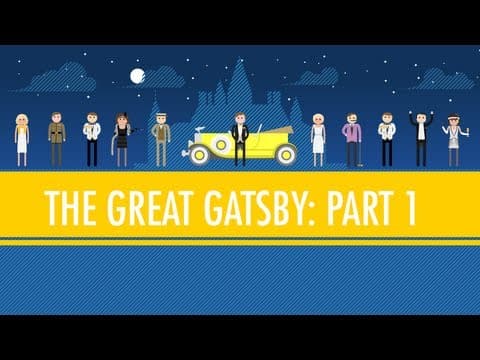
Fitzgerald employs the color yellow to symbolize both wealth and decay. While yellow is often associated with beauty and prosperity, in The Great Gatsby, it also signifies death and moral corruption. Gatsby's yellow car, Myrtle's yellow house, and the yellow glasses of Dr. T. J. Eckleburg all contribute to this duality, suggesting that wealth does not equate to greatness.
The final chapters of The Great Gatsby reveal the tragic consequences of Gatsby's relentless pursuit of his dreams. The novel questions the very foundation of the American Dream, suggesting that the quest for wealth and status often leads to disillusionment and despair. Nick's reflection on the futility of striving for more resonates with the broader societal critique of ambition and excess.
In conclusion, The Great Gatsby serves as a poignant exploration of the American Dream, revealing the complexities of wealth, morality, and human ambition. As readers, we are encouraged to reflect on our own aspirations and the societal structures that shape them. The characters, though flawed, mirror our own struggles and desires, reminding us that the pursuit of happiness is fraught with challenges and contradictions. As we delve deeper into Gatsby's world, we uncover not just a story of love and loss, but a profound commentary on the nature of the American experience.