The Baroque era gave rise to the picaresque novel, with Mateo Alemán's 'Guzmán de Alfarache' as a cornerstone. This genre reflects societal realities through the adventures of a rogue protagonist, exploring themes of identity, social critique, and the human condition. Other notable works include Vicente Espinel's 'La vida del escudero Marcos de Obregón' and Luis Vélez de Guevara's 'El cojuelo', which expand on the picaresque tradition with innovative narrative techniques and satirical elements.
The Baroque period, marked by its complexity and richness, gave rise to a unique literary genre known as the picaresque novel. This genre not only entertained but also provided a critical lens through which to analyze the social realities of the time. At the forefront of this movement was Mateo Alemán, a Sevillian author whose seminal work, Guzmán de Alfarache, defined the archetype of the pícaro, or rogue.
In the early 17th century, the picaresque novel emerged as a popular literary form. Alemán's Guzmán de Alfarache is often regarded as the first significant urban novel, where the city of Seville plays a crucial role in shaping the protagonist's identity. The character of Guzmán, a criminal who recounts his life story with a sense of regret, serves as a vehicle for exploring the darker aspects of society.
The pícaro is characterized by a life of crime and mischief, yet Alemán imbues Guzmán with a sense of introspection. As he narrates his adventures, Guzmán reflects on the greed and moral decay of the wealthy elite, whom he describes as "ballenas" (whales) that consume everything in their path, neglecting the plight of the poor and vulnerable. This critique of social inequality resonates throughout the narrative, highlighting the disconnect between the powerful and the marginalized.
Alemán's novel is notable for its dual narrative structure, which intertwines Guzmán's past experiences with his present reflections. This technique not only adds depth to the character but also allows for a psychological exploration of his motivations and regrets. The dramatic tension and modernity of the storytelling contribute to the novel's enduring appeal.
The success of Alemán's work paved the way for other authors to explore the picaresque genre. Vicente Espinel, a prolific artist from Ronda, followed suit with La vida del escudero Marcos de Obregón. Espinel introduced innovations in both poetry and music, notably creating the espinela stanza and adding a fifth string to the guitar. His novel presents a more resigned view of reality, where the protagonist's primary goal is to navigate the challenges of life while maintaining honor and reputation.
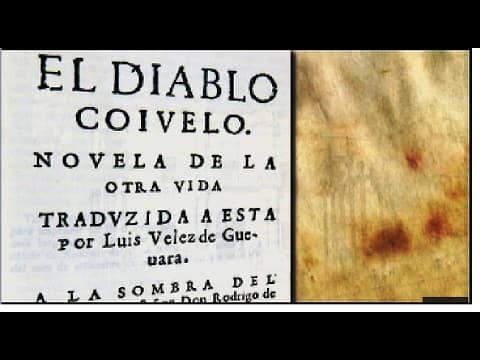
Another significant figure in the Baroque picaresque tradition is Luis Vélez de Guevara from Écija. His work, El cojuelo, transcends the typical picaresque narrative by incorporating elements of satire and magic. This novel offers exaggerated portrayals of reality, blending the supernatural with humor. Through the eyes of a unique narrator, the story takes readers on a journey across Andalusia, showcasing the beauty of cities like Seville and Triana.
Vélez de Guevara's descriptions of Seville's majestic buildings and bustling port along the Guadalquivir River provide a vivid backdrop for his narrative. The opulence of the architecture, with its alabaster facades and expansive corridors, reflects the grandeur of the Baroque era while simultaneously critiquing the societal norms of the time.
The picaresque novel, particularly during the Baroque period, serves as a mirror to society, revealing the complexities of human nature and the struggles of the individual against a backdrop of social injustice. Through the works of Alemán, Espinel, and Vélez de Guevara, readers gain insight into a world where the line between hero and villain is often blurred, and where the quest for identity and honor remains a timeless pursuit.