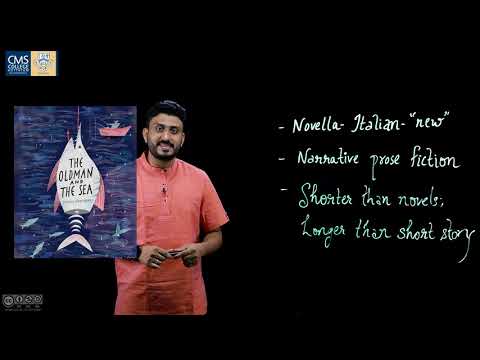
Ernest Hemingway's Old Man and the Sea is a profound novella that explores themes of endurance, the struggle between man and nature, and existentialism through the journey of Santiago, an old fisherman. The narrative reflects Hemingway's own life experiences and literary style, showcasing the complexities of masculinity, the significance of mentorship, and the philosophical underpinnings of success and failure.
Ernest Hemingway once said, "There is nothing to writing. All you do is sit in front of a typewriter and bleed." This sentiment encapsulates the essence of his literary journey, particularly in his novella, Old Man and the Sea. This work not only reflects Hemingway's own struggles but also serves as a poignant exploration of human endurance and the relationship between man and nature.
Born in Oak Park, Illinois, in 1899, Hemingway was the son of a doctor and a schoolteacher. His desire for firsthand experience led him to volunteer as an ambulance driver during World War I, where he was severely injured. This traumatic experience influenced his writing style, prompting him to blend biographical elements with fiction. His time in Italy is notably captured in his acclaimed novel, A Farewell to Arms.
After moving to Paris, Hemingway became part of a vibrant community of expatriate writers, including F. Scott Fitzgerald and Ezra Pound. His writing evolved into a form of dramatic realism, characterized by minimal details that invite readers to interpret the deeper meanings behind the text.
Old Man and the Sea was published in 1952, during a period when Hemingway's literary career was waning. Despite earlier failures, this novella revitalized his reputation and ultimately earned him the Nobel Prize for Literature in 1954. Critics hailed it as a modern classic, drawing comparisons to other great works of literature such as Moby Dick and The Rime of the Ancient Mariner.
The novella is a testament to Hemingway's mastery of narrative, encapsulating themes of struggle, resilience, and the human spirit's capacity to endure.
At the heart of the novella is Santiago, an old Cuban fisherman who has gone 84 days without a catch. His struggle is not merely for survival but a quest to reclaim his identity and respect within his community. Santiago's fishing is portrayed as a spiritual act, symbolizing his desire to prove his worth to himself and to Manolin, his devoted apprentice.
Manolin represents the younger generation, embodying hope and the continuity of knowledge. Their relationship is central to the narrative, as Manolin looks up to Santiago as a mentor. The bond between them highlights the theme of mentorship and the transfer of wisdom across generations.
The marlin, an 18-foot fish, serves as Santiago's greatest challenge and a symbol of his own struggles. Their battle, which lasts three days and nights, reflects Santiago's internal conflict and his quest for dignity. The marlin is not just a fish; it becomes a worthy opponent, representing Santiago's own nobility and perseverance.
The sea itself is portrayed as a character, embodying the vastness and unpredictability of nature. Santiago's relationship with the sea is complex; he sees it as both a nurturing mother and a formidable adversary. This duality reflects Hemingway's exploration of masculinity and the human condition.
Hemingway's novella is rich with symbolism. The character of Joe DiMaggio, a legendary baseball player, symbolizes hope and resilience. Santiago admires DiMaggio for his ability to overcome physical challenges, drawing parallels to his own struggles.
Additionally, Santiago's dreams of young lions represent his lost youth and aspirations. These lions symbolize strength and vitality, contrasting with Santiago's frail physical state.
The primary conflict in Old Man and the Sea is the struggle between man and nature. Santiago faces numerous challenges posed by the sea and the marlin, illustrating the harsh realities of life and the inevitability of death. This struggle is not merely physical; it is also existential, as Santiago grapples with his identity and purpose.
The relationship between Santiago and Manolin also highlights the conflict between youth and age. While Santiago embodies wisdom and experience, Manolin represents energy and hope. Their dynamic illustrates the importance of intergenerational relationships and the balance between the two.
Hemingway makes a crucial distinction between defeat and destruction. Santiago may face destruction in his battles, but he refuses to be defeated. His resilience in the face of overwhelming odds serves as a powerful message about the human spirit's capacity to endure.
Old Man and the Sea is often viewed through the lens of existentialism, a philosophy that emphasizes individual existence and the search for meaning. Santiago's journey reflects the existential struggle to find purpose in a world that often seems indifferent to human suffering. His determination to fight against the marlin and the sharks symbolizes the broader human experience of striving for significance amidst adversity.
In conclusion, Old Man and the Sea is not just a story about an old fisherman; it is a profound exploration of the human condition. Through Santiago's journey, Hemingway captures the essence of struggle, resilience, and the quest for identity. The novella remains a timeless reflection on the complexities of life, the inevitability of death, and the enduring spirit of humanity. Santiago's final dreams of lions serve as a reminder that even in the face of defeat, the desire to survive and thrive continues to resonate within us all.