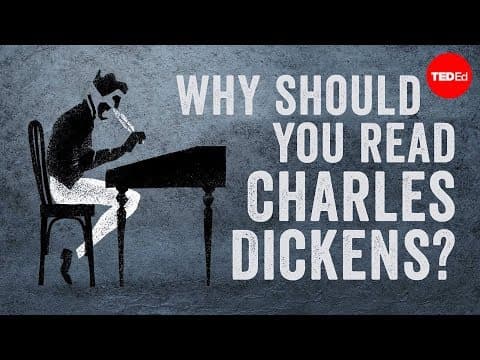
Charles Dickens's work remains relevant due to its vivid characters, social commentary, and engaging storytelling. His serialized novels captivated audiences with cliffhangers and humor, while his depictions of Victorian society shed light on the struggles of the lower classes. Despite often addressing grim themes, Dickens's wit and the duality of his settings offer readers both adventure and insight into human behavior.
Charles Dickens, a literary giant of the 19th century, created characters and narratives that have transcended time. From the starving orphan seeking a second helping of gruel to the spinster in her tattered wedding dress, Dickens's figures remain recognizable and impactful even more than a century after his death. This blog post delves into the unique features of Dickens's writing that contribute to his lasting appeal.
One of the defining aspects of Dickens's work was his use of serialization. His stories were initially published in affordable literary journals, released a few chapters at a time. This method not only made his fiction accessible to a broader audience but also generated excitement and speculation among readers. The cliffhangers and plot twists kept audiences eagerly awaiting the next installment, which in turn heightened the hype surrounding Dickens as an author.
Dickens's writing is characterized by his sharp wit, which he infused into his quirky characters and satirical scenarios. His characters often embody the absurdity of human behavior, with names that reflect their traits or social positions. For example, Bob Cratchit represents the downtrodden working class, while Uriah Heep personifies groveling ambition. These colorful characters are set against intricate social backdrops that mirror the realities of Dickens's time.
Dickens's work frequently addresses the social changes brought about by the Industrial Revolution. He vividly depicted the sordid working and living conditions faced by the lower classes, drawing from his own childhood experiences. After his father was imprisoned for debt, Dickens was forced to work in a boot blacking factory, an experience that profoundly influenced his writing.
In novels like Little Dorrit, Dickens explores themes of imprisonment and familial duty, as seen through the eyes of the titular character who cares for her convict father. Similarly, Nicholas Nickleby reveals the exploitation of children in the education system, while Oliver Twist highlights the brutal realities of workhouses and the criminal underworld of London.
Dickens's portrayal of London is complex, reflecting both the harshness of life and the potential for wonder and opportunity. His narratives often depict a dualistic space where old traditions are fading, and new possibilities are emerging. For instance, in Great Expectations, the protagonist Pip navigates a world of ambition and deception, illustrating the precarious nature of social mobility.
While Dickens typically provided clear resolutions in his novels, he left readers with an enduring mystery in The Mystery of Edwin Drood. The unfinished novel centers around the disappearance of the orphan Edwin, and Dickens's untimely death left the story unresolved. This has sparked ongoing debate among readers about the fate of Edwin and the identity of his potential murderer.
Today, the term "Dickensian" often evokes images of squalid living conditions, yet it is also a mark of high praise. To describe a story as Dickensian suggests a narrative filled with adventure and discovery in unexpected places. Despite often tackling bleak subjects, Dickens's piercing wit and ability to find light in darkness resonate with readers, ensuring his work remains relevant.
In conclusion, Charles Dickens's unique storytelling, memorable characters, and insightful social commentary continue to captivate audiences. His ability to blend humor with serious themes allows readers to explore the complexities of human nature and society, making his work a timeless treasure in the literary world.