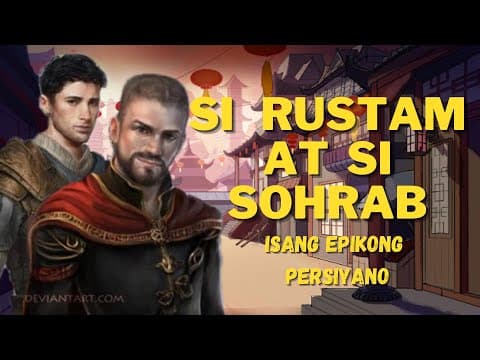
This blog post delves into the epic story of Rustam and Sohrab from Persian literature, exploring its themes, characters, and cultural significance, while also reflecting on its impact on modern storytelling.
The story of Rustam and Sohrab is one of the most poignant tales in Persian literature, encapsulating themes of heroism, tragedy, and the complexities of fate. This epic narrative, originating from the Shahnameh (The Book of Kings) written by the poet Ferdowsi, has captivated audiences for centuries. In this blog post, we will explore the key elements of this epic, its characters, and its enduring significance in both historical and contemporary contexts.
Rustam is the central hero of the tale, renowned for his immense strength and bravery. He is a legendary figure in Persian mythology, often depicted as a protector of his homeland. His character embodies the ideals of a noble warrior, facing challenges with courage and honor.
Sohrab, the son of Rustam, is a tragic figure whose fate is intertwined with that of his father. Unbeknownst to Rustam, Sohrab seeks to confront him in battle, driven by a desire to prove his own strength and to find his father, whom he has never met. This father-son dynamic adds a layer of complexity to the narrative, highlighting themes of identity and destiny.
The story unfolds as Sohrab, unaware of Rustam's identity, challenges him to combat. The battle is fierce, showcasing the extraordinary skills of both warriors. However, the climax of the tale is marked by tragedy when Rustam, in a moment of despair, fatally wounds Sohrab. The revelation of their relationship comes too late, leading to profound sorrow and regret for Rustam.
One of the central themes of the epic is the concept of fate. The characters are often portrayed as being at the mercy of their destinies, which raises questions about free will and the inevitability of certain outcomes. The tragic ending serves as a reminder of the unpredictable nature of life and the consequences of one's actions.
Rustam's heroism is juxtaposed with the tragedy of his actions. While he is celebrated as a great warrior, his inability to recognize his son leads to devastating consequences. This duality reflects the complexities of heroism, where even the mightiest can fall victim to their own flaws.
The tale of Rustam and Sohrab is not only a cornerstone of Persian literature but also a reflection of the cultural values of the time. It emphasizes the importance of honor, loyalty, and the bonds of family. The story has been retold in various forms, influencing countless works of art, literature, and performance across cultures.
In contemporary times, the themes of Rustam and Sohrab continue to resonate. The narrative has inspired adaptations in theater, film, and literature, showcasing its timeless relevance. Modern storytellers draw upon the emotional depth of the tale to explore issues of identity, conflict, and the human condition.
The epic of Rustam and Sohrab remains a powerful narrative that transcends time and culture. Its exploration of fate, heroism, and tragedy invites readers to reflect on their own lives and the choices they make. As we continue to engage with this story, we honor the legacy of Persian literature and its ability to speak to the universal experiences of humanity.