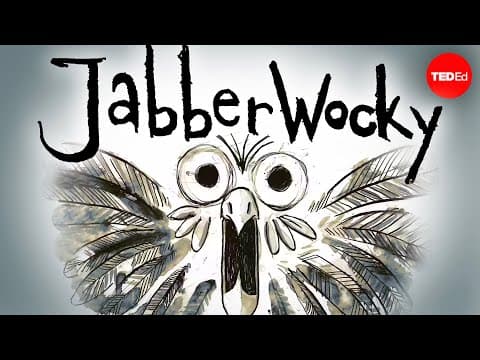
Lewis Carroll's poem 'Jabberwocky' is a masterful blend of nonsensical language and vivid imagery that captivates readers. Through its whimsical characters and fantastical narrative, the poem invites interpretation and appreciation of its playful use of language.
Lewis Carroll's poem "Jabberwocky" is often celebrated as one of the finest examples of nonsense literature. This poem, filled with whimsical and seemingly nonsensical words, manages to convey a vivid narrative that captures the imagination of readers. In this blog post, we will delve into the poem's structure, themes, and the unique language that makes it a timeless piece of literature.
"Jabberwocky" is a narrative poem that consists of a series of quatrains, each containing four lines. The poem opens with a description of a fantastical world, setting the stage for the adventure that follows. The rhythm and rhyme scheme contribute to its musical quality, making it enjoyable to read aloud.
The poem begins with the lines:
'Twas brillig, and the slithy toves
Did gyre and gimble in the wabe:
All mimsy were the borogoves,
And the mome raths outgrabe.
These lines introduce readers to a whimsical setting filled with strange creatures and actions. The use of invented words like "brillig," "slithy," and "borogoves" creates an atmosphere of curiosity and intrigue.
The central narrative of "Jabberwocky" revolves around a young hero who is warned about the fearsome Jabberwock. The poem advises:
“Beware the Jabberwock, my son!
The jaws that bite, the claws that catch!
Beware the Jubjub bird, and shun
The frumious Bandersnatch!”
This warning sets the stage for the hero's quest, emphasizing themes of bravery and the confrontation of fears. The Jabberwock is depicted as a terrifying creature, and the hero's journey to slay it is filled with tension and excitement.
The climax of the poem occurs when the hero confronts the Jabberwock:
And, as in uffish thought he stood,
The Jabberwock, with eyes of flame,
Came whiffling through the tulgey wood,
And burbled as it came!
This moment is rich with imagery, as the Jabberwock is described in a way that evokes both fear and fascination. The action unfolds quickly, culminating in the hero's victory:
One, two! One, two!
And through and through
The vorpal blade went snicker-snack!
He left it dead, and with its head
He went galumphing back.
The use of the word "galumphing" adds a playful tone to the hero's triumphant return, contrasting the earlier tension of the battle.
The poem concludes with a joyful reunion between the hero and his father:
“And hast thou slain the Jabberwock?
Come to my arms, my beamish boy!
O frabjous day! Callooh! Callay!”
He chortled in his joy.
This ending reinforces the themes of victory and celebration, leaving readers with a sense of satisfaction and delight.
One of the most remarkable aspects of "Jabberwocky" is its language. Carroll's inventive use of words challenges readers to engage with the text on a deeper level. The nonsensical vocabulary invites interpretation, allowing readers to derive meaning from the sounds and rhythms of the words rather than their definitions.
Nonsense literature, as exemplified by "Jabberwocky," encourages creativity and imagination. It invites readers to explore language in new ways, breaking free from conventional meanings. Carroll's playful approach has inspired countless writers and poets, making "Jabberwocky" a lasting influence in the world of literature.
In conclusion, Lewis Carroll's "Jabberwocky" is a brilliant exploration of language and imagination. Through its whimsical characters, adventurous narrative, and playful use of nonsense, the poem captivates readers of all ages. It serves as a reminder of the joy that can be found in language and the power of storytelling, making it a cherished piece of literary history.