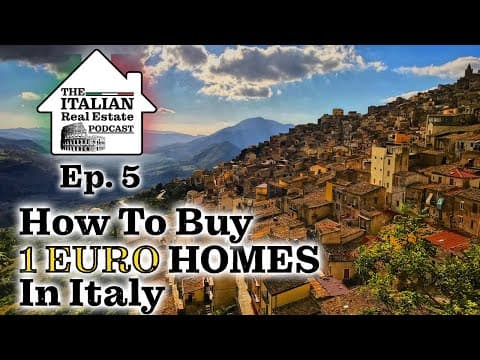
The One Euro House projects in Italy offer a unique opportunity to buy homes in small towns for just one euro, aimed at revitalizing these areas. However, potential buyers must navigate complex requirements, including renovation obligations and possible residency stipulations, making the process more intricate than a typical property purchase.
In recent years, the concept of purchasing homes in Italy for just one euro has gained significant attention. This initiative, known as the One Euro House project, aims to revitalize small towns in Italy, particularly in the southern regions, where depopulation has become a pressing issue. In this blog post, we will delve into the details of these projects, the buying process, and the requirements involved.
The One Euro House projects are initiatives by various municipalities in Italy to sell abandoned or dilapidated properties for the symbolic price of one euro. The primary goal is to encourage repopulation and renovation of these towns, which have seen a decline in residents over the years. Many of these properties are located in the historic centers of towns that have fallen into disrepair.
Many potential buyers often question the legitimacy of these offers. It is important to clarify that these projects are indeed real and sanctioned by local governments. However, purchasing a one euro house is not a straightforward transaction; it involves specific requirements and obligations that buyers must fulfill.
When considering a one euro house, buyers should be aware of the following key requirements:
One of the most significant conditions is that buyers must commit to renovating the property. Depending on the municipality, buyers may have one to three years to complete the necessary renovations. Before purchasing, buyers must submit a renovation project that must be approved by the local authorities.
To ensure compliance with renovation timelines, municipalities typically require a security deposit, often around 5,000 euros. This deposit acts as a guarantee that the buyer will complete the renovations as promised.
In many cases, municipalities conduct a public call for proposals where potential buyers submit their renovation plans. The municipality then selects the most suitable proposal, which can lead to a competitive bidding process for the property.
The process of acquiring a one euro house can be more complex than a traditional property purchase. Here are some similarities and differences:
Some municipalities may require buyers to establish residency in the town where they purchase the property. This requirement aims to ensure that the towns are repopulated and that the renovations contribute to the community's revitalization.
While the initial price of a one euro house is enticing, it is crucial to understand that this is often just the starting point. In some cases, properties may be sold through a silent auction, where the final price can exceed one euro. Buyers should be prepared for the possibility of bidding against others, which can drive up the cost.
The properties offered through the One Euro House projects are typically owned by the municipalities or are abandoned homes that have reverted to local government ownership. Many of these properties are no longer habitable and have become a financial burden for their previous owners, who may face annual taxes on properties they cannot sell.
The One Euro House projects present a unique opportunity for those looking to invest in Italian real estate while contributing to the revitalization of small towns. However, potential buyers must navigate a complex process that includes renovation commitments, possible residency requirements, and competitive bidding. For those willing to embrace the challenge, these projects can lead to rewarding experiences and a new life in Italy.
If you have any questions about the One Euro House projects or need assistance navigating the process, feel free to reach out for more information.