This blog post delves into the theme of violence in Robert Louis Stevenson's 'Jekyll and Hyde', examining its significance to contemporary readers, the societal implications of violence, and the interplay between curiosity and morality in Victorian society.
In Robert Louis Stevenson’s classic novella, "Jekyll and Hyde", the theme of violence plays a crucial role in shaping the narrative and its impact on contemporary readers. This blog post will explore the significance of violence in the text, its connection to societal norms of the Victorian era, and how it reflects the darker aspects of human nature. We will also touch upon the themes of lies and deceit, as well as curiosity, providing specific quotations that can enhance your understanding and analysis of the work.
The term "penny dreadful" refers to cheap literature that catered to the sensational tastes of contemporary readers, often filled with gothic elements, crime, and violence. These stories satisfied the appetites of readers who were fascinated by the darker sides of human experience, allowing them to explore themes of debauchery and crime that were socially unacceptable.
In "Jekyll and Hyde", the character of Dr. Jekyll embodies this duality. He dreams of indulging in the violent and immoral acts that Hyde, his alter ego, commits. This duality reflects the societal pressures that compel individuals to conform while harboring darker desires.
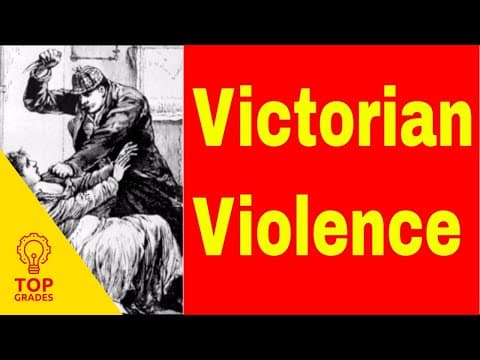
Stevenson’s portrayal of violence is not merely for shock value; it serves as a critique of Victorian society. The character of Hyde engages in brutal acts, such as the murder of Sir Danvers Carew, which exemplifies the violent tendencies lurking beneath the surface of respectability. The violence is often exaggerated, employing hyperbole to emphasize the absurdity of the reader's fascination with such brutality.
For instance, when Hyde is described as having "ape-like fury" while attacking Carew, Stevenson not only highlights the primal nature of Hyde’s violence but also critiques the readers’ appetite for extreme depictions of brutality. This exaggeration serves to mock the readers, suggesting that their desire for violence is childish and unsophisticated.
Another layer to the theme of violence is the fear of drug addiction prevalent in Victorian society. During this time, substances like opium were legal and widely used, leading to the emergence of opium dens. Stevenson draws a parallel between Hyde’s creation and the effects of drug use, suggesting that the violence associated with Hyde is a product of societal repression and addiction.
The violence in the novella can be interpreted as a consequence of the characters’ inability to confront their desires openly. Jekyll’s transformation into Hyde can be seen as a metaphor for the destructive nature of addiction, where the pursuit of pleasure leads to moral decay and violence.
Stevenson also explores the theme of lies and deceit, particularly through the character of Mr. Utterson, who represents the respectable middle-class man. Utterson’s decision to lock away evidence of Jekyll’s crimes in his safe symbolizes the societal tendency to conceal uncomfortable truths. This act of self-deception reflects a broader critique of Victorian morality, where individuals prefer to ignore the darker realities of their society.
The note that Utterson discovers, which reveals Jekyll’s connection to Hyde, serves as a powerful symbol of the lies that underpin social respectability. Stevenson suggests that the very institutions meant to uphold morality are often complicit in perpetuating deceit.
Curiosity is another significant theme in "Jekyll and Hyde". Stevenson portrays Utterson as a detective-like figure, driven by a desire to uncover the truth about Hyde. However, Utterson’s failure to confront his curiosity reflects a broader societal reluctance to engage with uncomfortable truths.
The novella opens with a curious circumstance that sets the stage for the exploration of human nature. Enfield’s initial encounter with Hyde reveals a societal inclination towards violence, as the crowd reacts with a desire to punish Hyde without reflecting on their own moral failings. This moment underscores Stevenson’s message that humanity is often more vicious than the figures they condemn.
In conclusion, the theme of violence in "Jekyll and Hyde" serves as a multifaceted critique of Victorian society. Through the exploration of violence, drug addiction, lies, and curiosity, Stevenson invites readers to reflect on their own moral compasses and the societal structures that shape their behaviors. The novella remains a powerful commentary on the duality of human nature and the consequences of repression, making it a timeless piece of literature that continues to resonate with contemporary audiences.