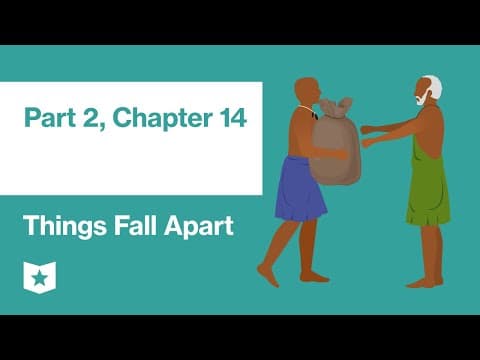
In Chapter 14 of Chinua Achebe's Things Fall Apart, Okonkwo faces the challenges of exile and personal loss. His uncle, Uchendu, provides support and guidance, reminding Okonkwo of the shared suffering within their community. This chapter marks a significant shift in Okonkwo's character as he grapples with depression and a loss of faith in his destiny, highlighting themes of resilience and the impact of personal and communal struggles.
In the fourteenth chapter of Chinua Achebe's seminal work, Things Fall Apart, we witness a pivotal moment in the life of the protagonist, Okonkwo. This chapter delves into themes of exile, personal loss, and the resilience of the human spirit, as Okonkwo navigates the challenges of his new reality.
Okonkwo is welcomed into the home of his maternal uncle, Uchendu, in the village of Mbanta. This marks a significant transition for him as he seeks refuge after being exiled from his village of Umuofia. Uchendu and his family provide Okonkwo with land, assist him in constructing a new compound, and supply him with seeds to cultivate his farm. Despite this support, Okonkwo's enthusiasm for hard work, which once defined him, has diminished. He is now faced with the reality that his aspirations of becoming one of the lords of the clan seem increasingly unattainable.
Uchendu, as the family patriarch, plays a crucial role in this chapter. He gathers the family together following the marriage of one of his sons and addresses Okonkwo. Uchendu reminds Okonkwo of the shared suffering within their community, emphasizing that he is not alone in his struggles. Uchendu himself has endured significant personal loss, having buried five wives and twenty-two children. His message to Okonkwo is clear: he must accept his exile and strive to make the best of his situation.
Throughout the first part of the novel, Okonkwo has been portrayed as a man of action, a heroic figure whose hard work and determination have been his coping mechanisms. However, in this chapter, we see a marked shift in his character. Okonkwo is depicted as depressed, grappling with a profound sense of hopelessness. He begins to doubt the belief that has driven him for so long—that his personal god, his Chi, is destined for greatness. This internal conflict highlights a significant transformation in Okonkwo's character, as he confronts the reality of his circumstances.
Uchendu serves as a guiding figure for Okonkwo during this tumultuous time. His counsel reflects the wisdom of their culture, emphasizing that suffering is a universal experience. Uchendu's support represents the strength of Okonkwo's maternal lineage and the importance of community in overcoming adversity. As he advises Okonkwo to accept his fate, Uchendu embodies the resilience that is necessary to endure life's challenges.
Chapter 14 of Things Fall Apart marks a significant turning point in the narrative. Okonkwo's exile and the accompanying loss of enthusiasm signal a deeper exploration of his character and the broader themes of the novel. As he navigates his depression and questions his destiny, the reader is left to ponder the implications of personal and communal suffering. Uchendu's presence serves as a reminder that while individual struggles are profound, they are often shared within the fabric of the community, highlighting the resilience that can emerge from collective hardship.
This chapter not only deepens our understanding of Okonkwo but also sets the stage for the unfolding events that will challenge him further, raising questions about identity, legacy, and the human capacity to endure.