This blog post delves into the themes of shame, resilience, and the harsh realities faced by marginalized communities as depicted in James Baldwin's If Beale Street Could Talk. Through the lens of the protagonist's experiences, we explore the emotional turmoil of love, societal judgment, and the struggle for dignity in the face of adversity.
James Baldwin's novel, If Beale Street Could Talk, presents a poignant exploration of the struggles faced by marginalized communities, particularly through the lens of love, shame, and resilience. Starting from page seven, Baldwin introduces us to a world where the poor are constantly preyed upon by those who should be their allies, revealing the harsh realities of life in a society that often turns a blind eye to injustice.
Baldwin writes about the lawyers and bondsmen who circle around the poor like vultures, emphasizing that they are not necessarily wealthier than those they exploit. This metaphor highlights the predatory nature of a system that profits from the misfortunes of others. The protagonist reflects on the shame felt by those in her community, particularly the hardworking black women and proud Puerto Ricans who find themselves in dire circumstances.
The shame, she argues, should not belong to them but rather to the system that confines them to such a fate. This sentiment resonates deeply, as it challenges the reader to reconsider who should bear the burden of shame in a society that perpetuates inequality.
The protagonist's love for Fonny, who is unjustly imprisoned, adds another layer of complexity to her emotional landscape. She grapples with the fear of losing him and the uncertainty of their future together. Baldwin captures the essence of this fear, illustrating how it can isolate individuals, making them feel alone even in crowded spaces like a bus.
She reflects on the difficulty of expressing her pain and the stigma associated with loving someone in jail. The internal struggle she faces is palpable; she feels the weight of her circumstances pressing down on her, leading her to question her own worth and the worth of those around her.
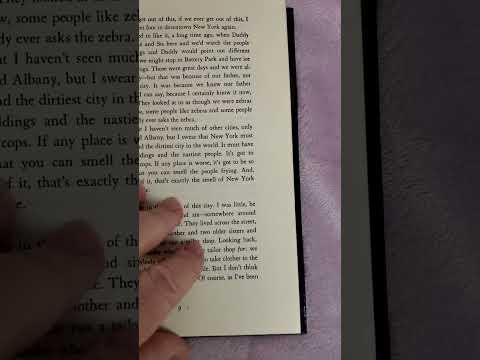
Baldwin's depiction of New York City serves as a backdrop that mirrors the protagonist's emotional turmoil. Once a place of childhood joy and family bonding, the city transforms into a symbol of despair and alienation. The protagonist recalls happier times spent with her father, contrasting them with her current feelings of disgust towards the city.
She describes New York as the ugliest and dirtiest city in the world, filled with unkind people and oppressive structures. This shift in perception underscores the impact of systemic injustice on personal identity and community ties.
The narrative also delves into the protagonist's childhood memories of Fonny, illustrating the innocence of their early interactions. Their first encounter, marked by a fight instigated by peers, serves as a turning point in their relationship. Baldwin captures the complexities of childhood friendships and rivalries, revealing how societal perceptions of beauty and worth can shape young minds.
The protagonist's reflections on Fonny's appearance, influenced by her friend Geneva's harsh judgments, highlight the internalized racism and societal standards that affect their self-image. This moment foreshadows the deeper connection they will share, rooted in understanding and shared experiences of hardship.
In If Beale Street Could Talk, Baldwin masterfully weaves together themes of shame, love, and resilience against a backdrop of systemic oppression. The protagonist's journey reflects the broader struggles faced by marginalized communities, challenging readers to confront uncomfortable truths about society and their own perceptions.
As she navigates her fears and hopes for the future, Baldwin invites us to empathize with her plight and recognize the strength found in vulnerability. The novel serves as a powerful reminder of the importance of dignity and humanity in the face of adversity, urging us to reflect on our roles within a society that often fails to protect its most vulnerable members.