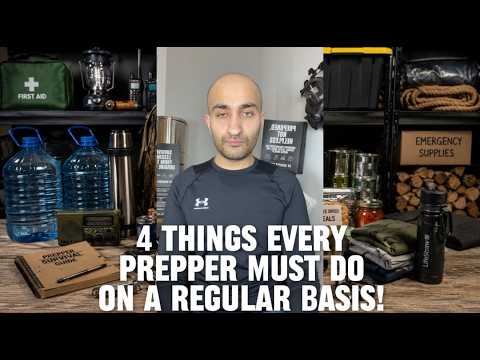
Preppers should regularly charge and check batteries on all devices every 4 to 6 months, maintain physical fitness including strength training, consistently buy bottled water weekly to build a water stockpile, and take detailed inventory of all prepping supplies to avoid overbuying and identify shortages. These practices ensure readiness for emergencies and improve safety and efficiency during crises.
Preparedness is not a one-time effort but a continuous process. For those committed to prepping, there are four crucial activities that should be done regularly to ensure readiness for any emergency situation. These practices cover equipment maintenance, physical fitness, resource stockpiling, and inventory management.
One of the most important steps is to maintain the power sources for your essential devices. This includes power banks, flashlights, radios, and any other battery-operated equipment. Batteries naturally lose charge over time, even when not in use, so it is vital to check and recharge them every 4 to 6 months.
Failing to do this can result in discovering dead batteries during a blackout or when you urgently need a flashlight from your bugout bag. Regular maintenance ensures that your devices will function properly when you need them most.
Physical fitness is a critical aspect of prepping that is often overlooked. Daily walking or strength training can significantly improve your ability to handle emergency situations. Strength training is especially important because you may need to carry heavy supplies during an evacuation.
Women are encouraged to lift weights and build strength as well; physical preparedness is not gender-specific. Being physically strong also acts as a deterrent against potential threats in lawless situations. You don’t need a gym membership to stay fit—simple home workouts with dumbbells can be very effective.
Water is essential for survival, and you can only survive about three days without it. To ensure you have enough water stored, buy a case of bottled water every week when you go shopping. This gradual accumulation helps build a substantial water reserve over time.
The cost of bottled water varies by location, but it is a worthwhile investment for your preparedness. For example, in some areas, a case of water can be purchased for as low as $3.
It’s easy to accumulate prepping supplies and lose track of what you have. Taking regular inventory helps you know exactly what is available, prevents overbuying, and identifies what you need to restock.
Organize your inventory into categories such as food, water, tools, power, fire and heat, and self-defense. You can maintain this inventory on paper or use digital tools like Google Sheets. Some prepping communities offer free inventory trackers to help with this task.
Keeping an updated inventory ensures efficient management of your supplies and better preparedness.
By following these four essential practices—charging and checking batteries, maintaining physical fitness, stockpiling water, and managing inventory—you can significantly enhance your preparedness for emergencies. Regular attention to these areas ensures that you are ready to face unexpected situations with confidence and resilience.








